
Global Gate Travel
Your Gateway to See the World
850-725-6456
Your Gateway to See the World
850-725-6456


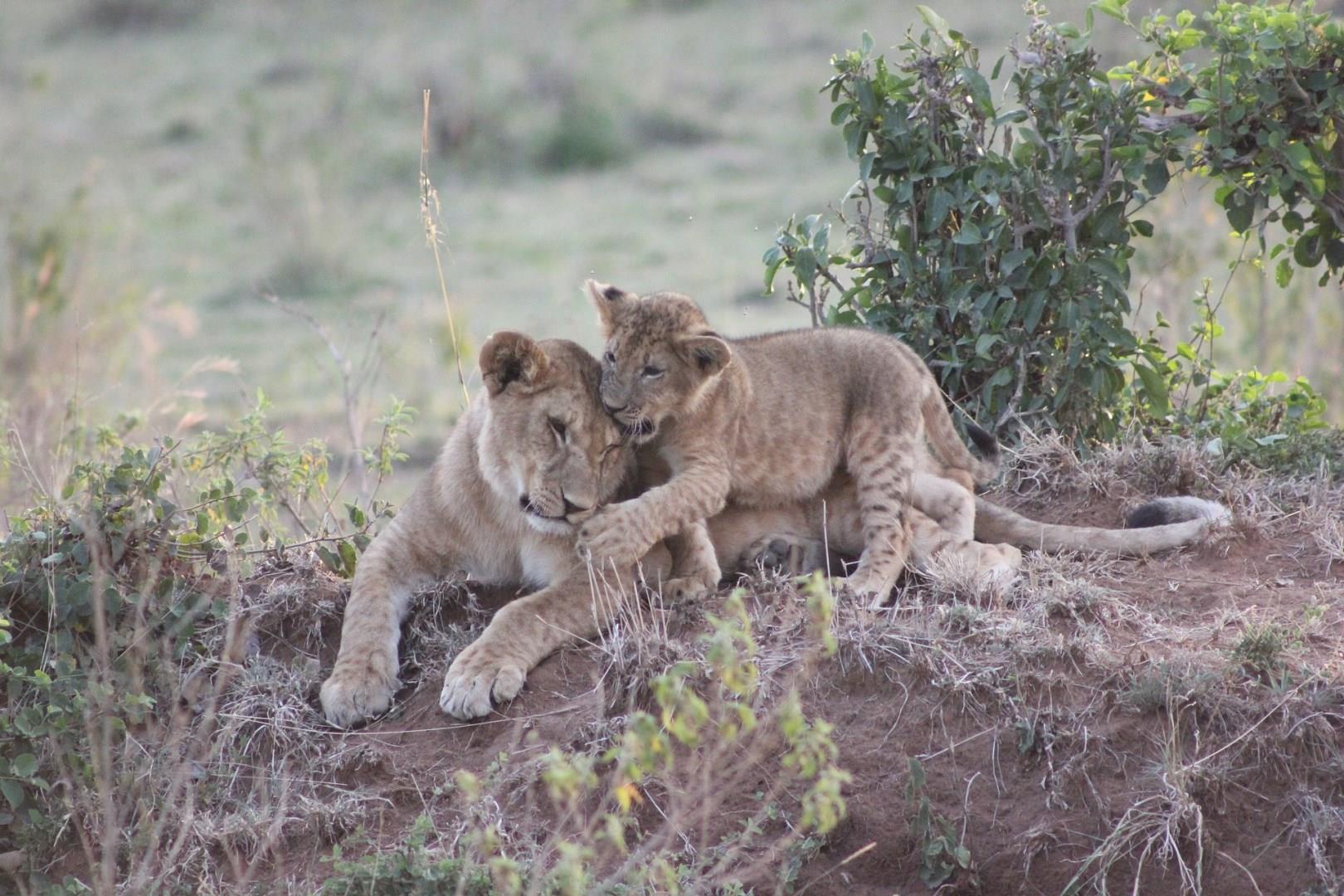

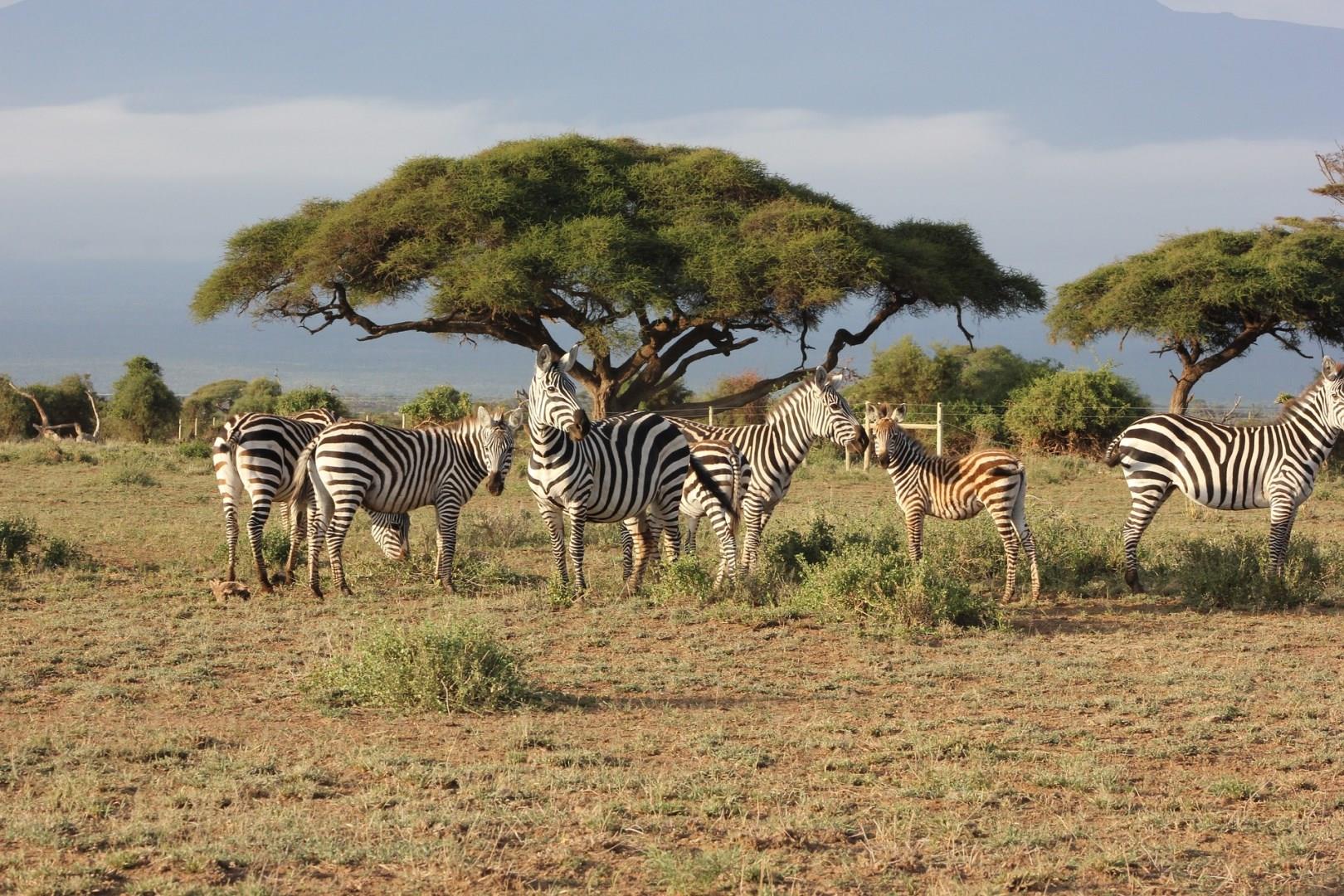

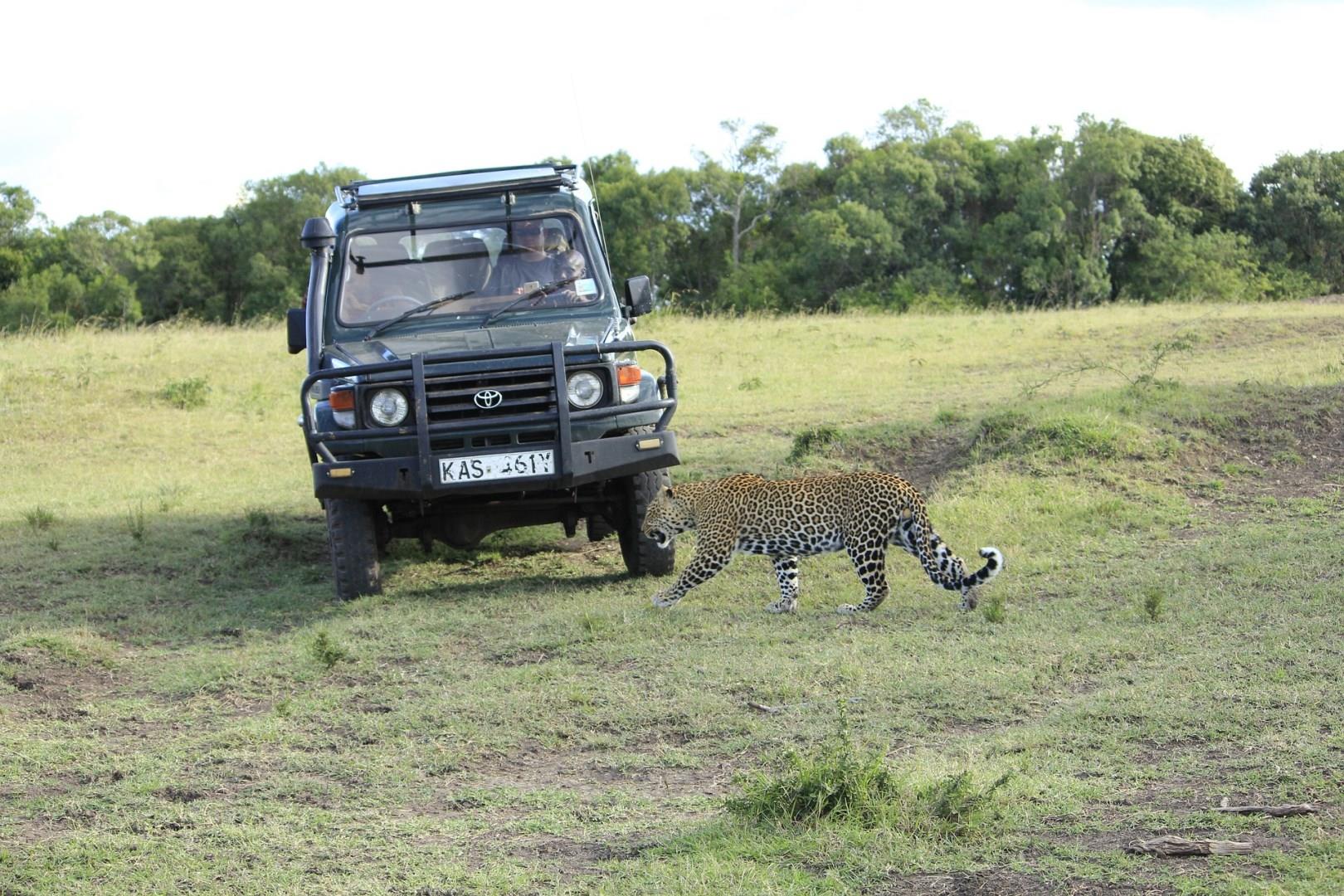

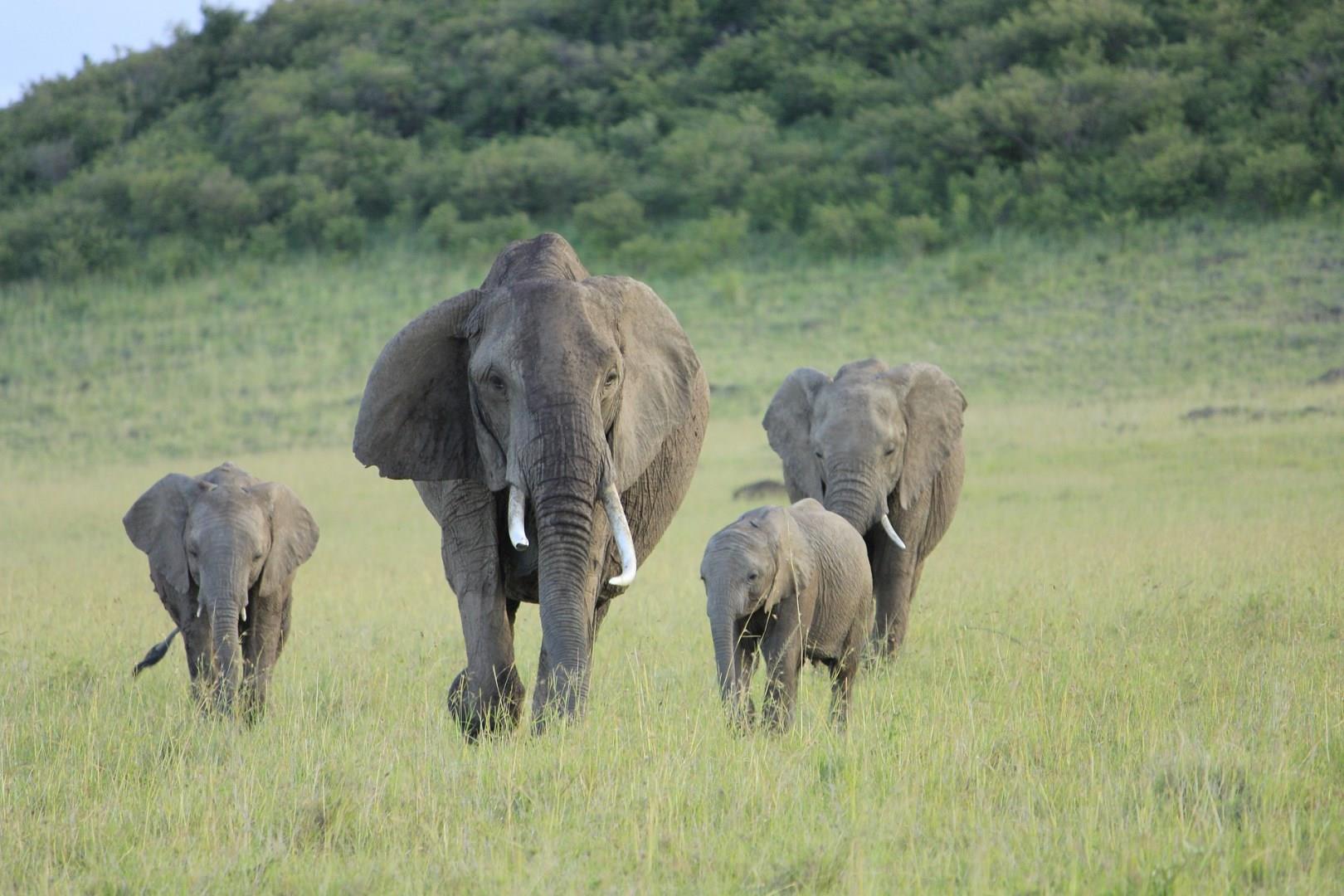

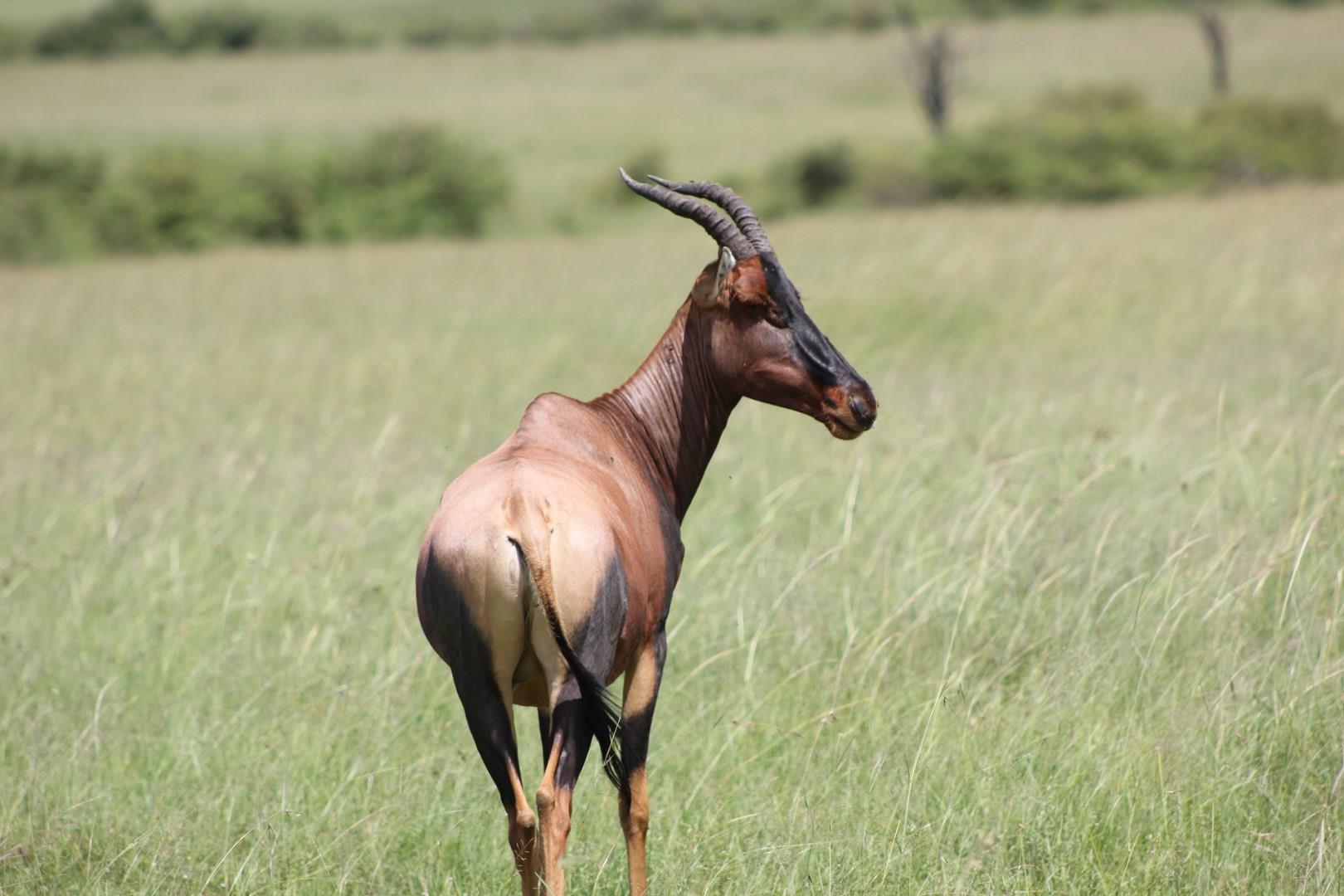

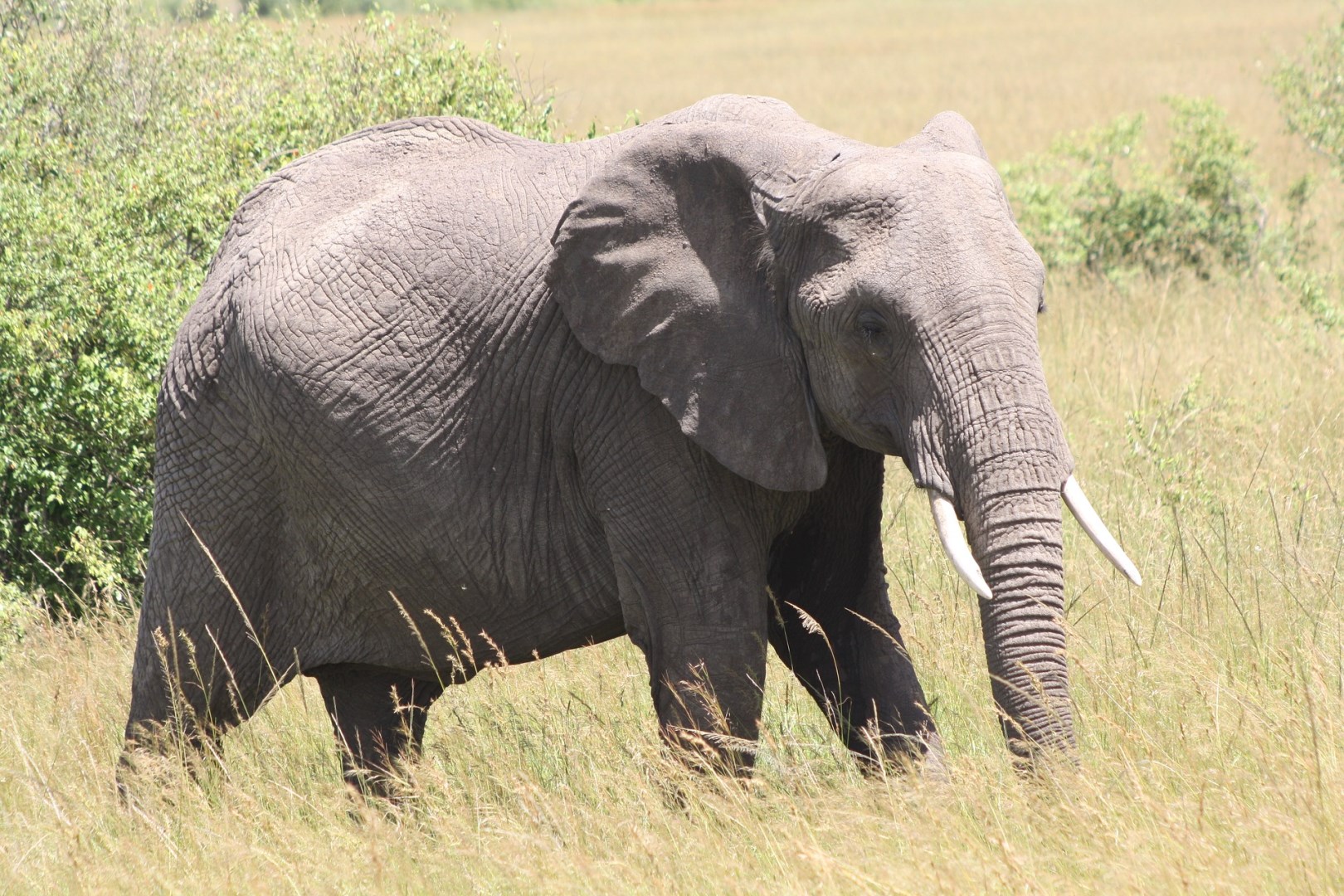
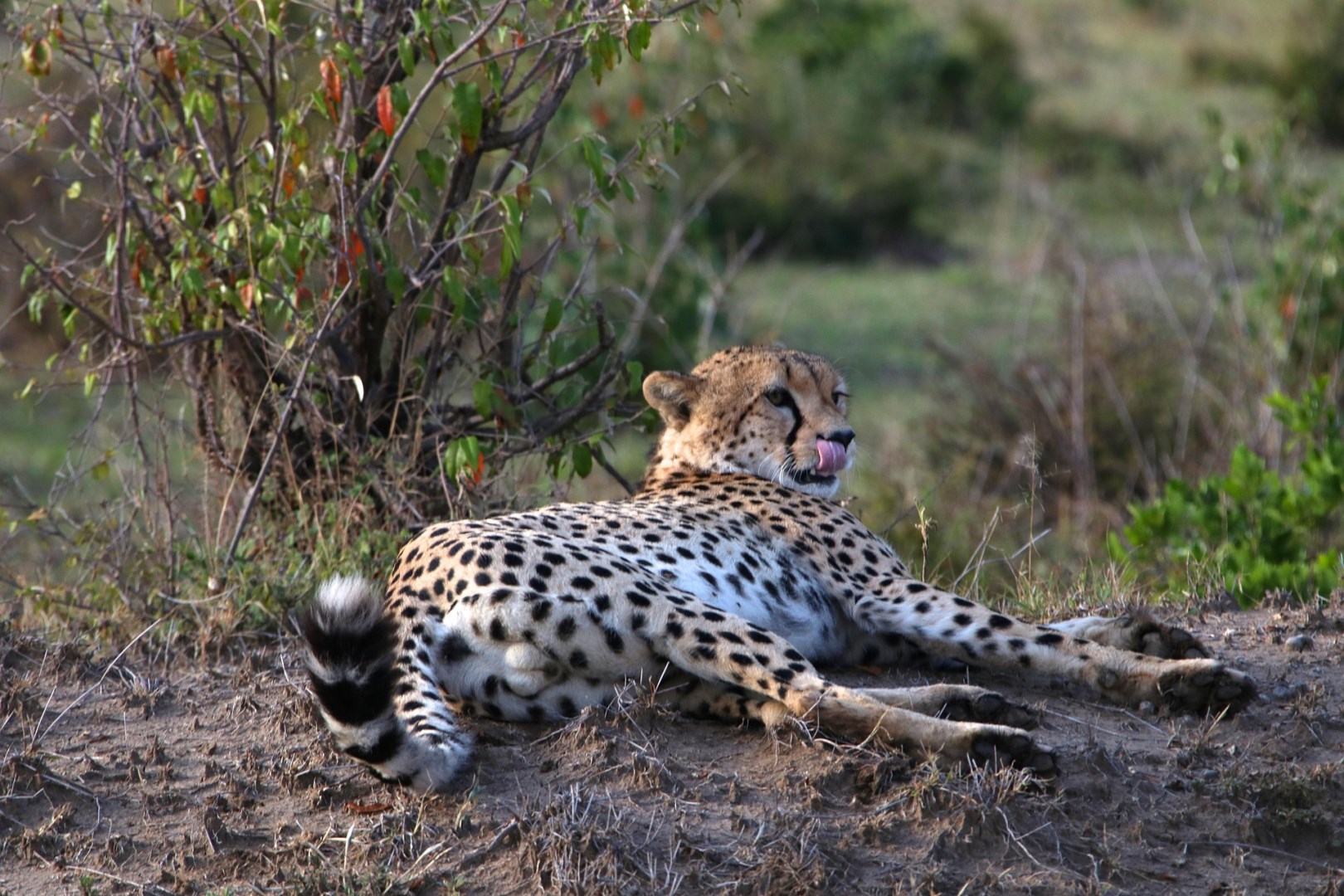
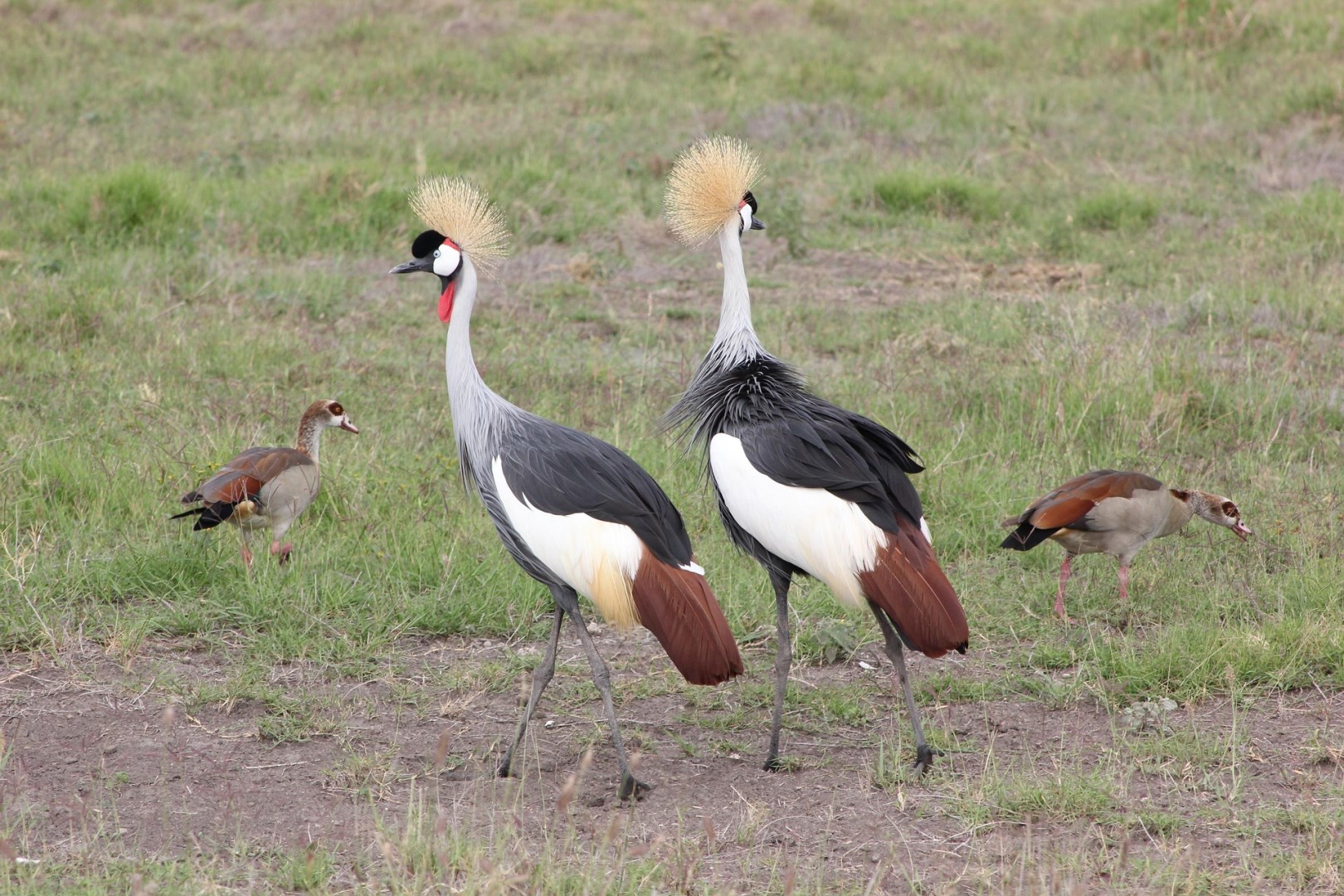
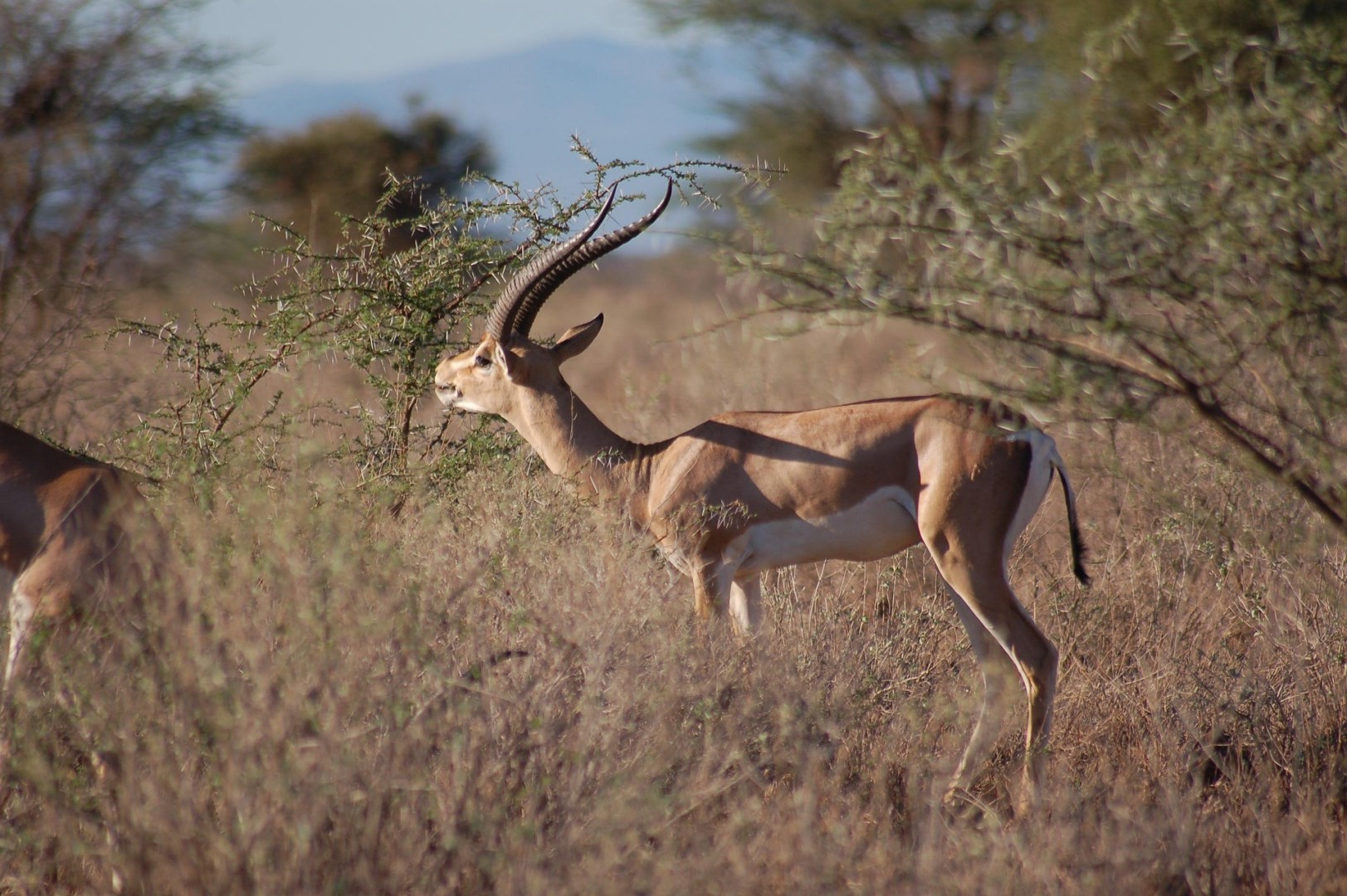
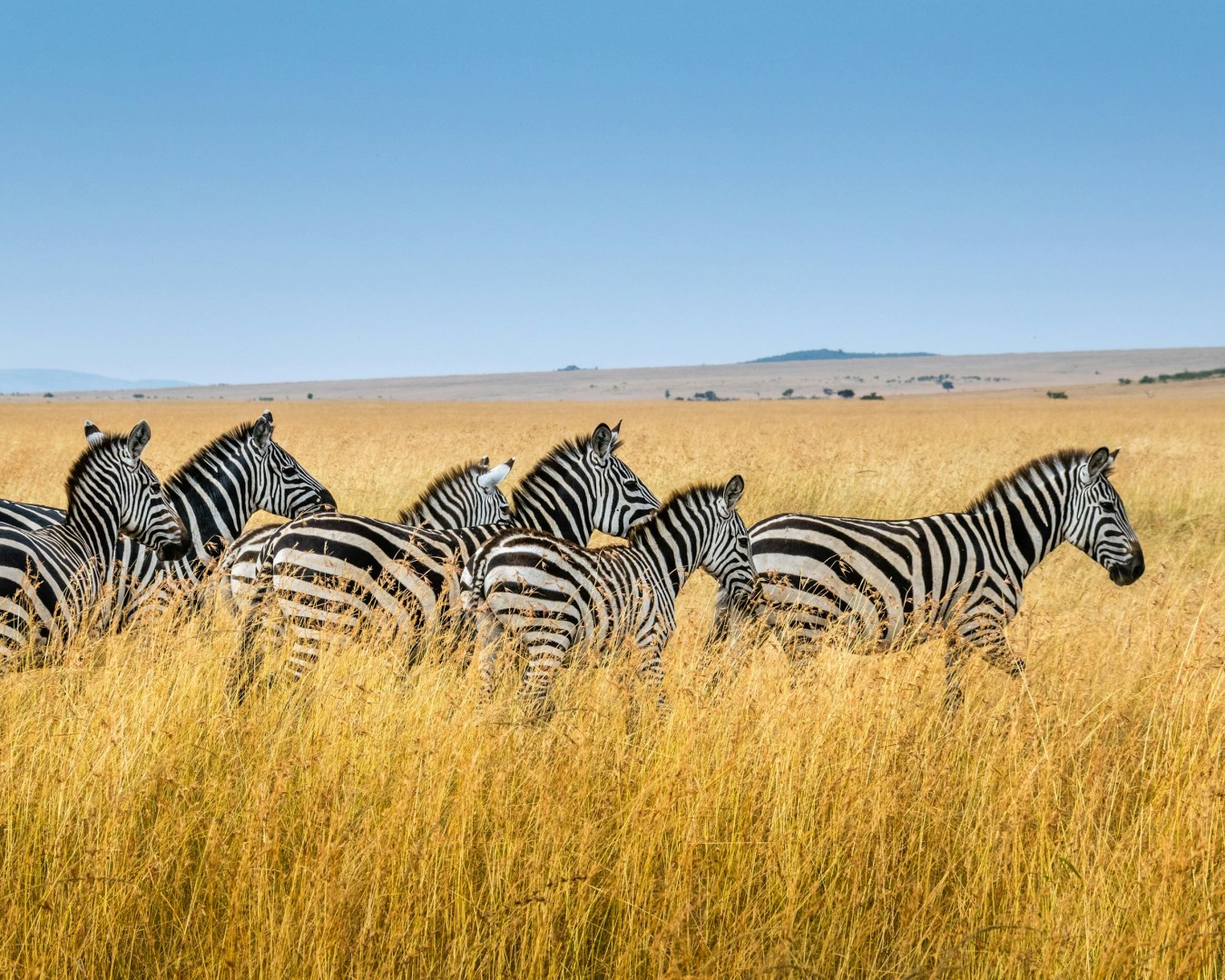
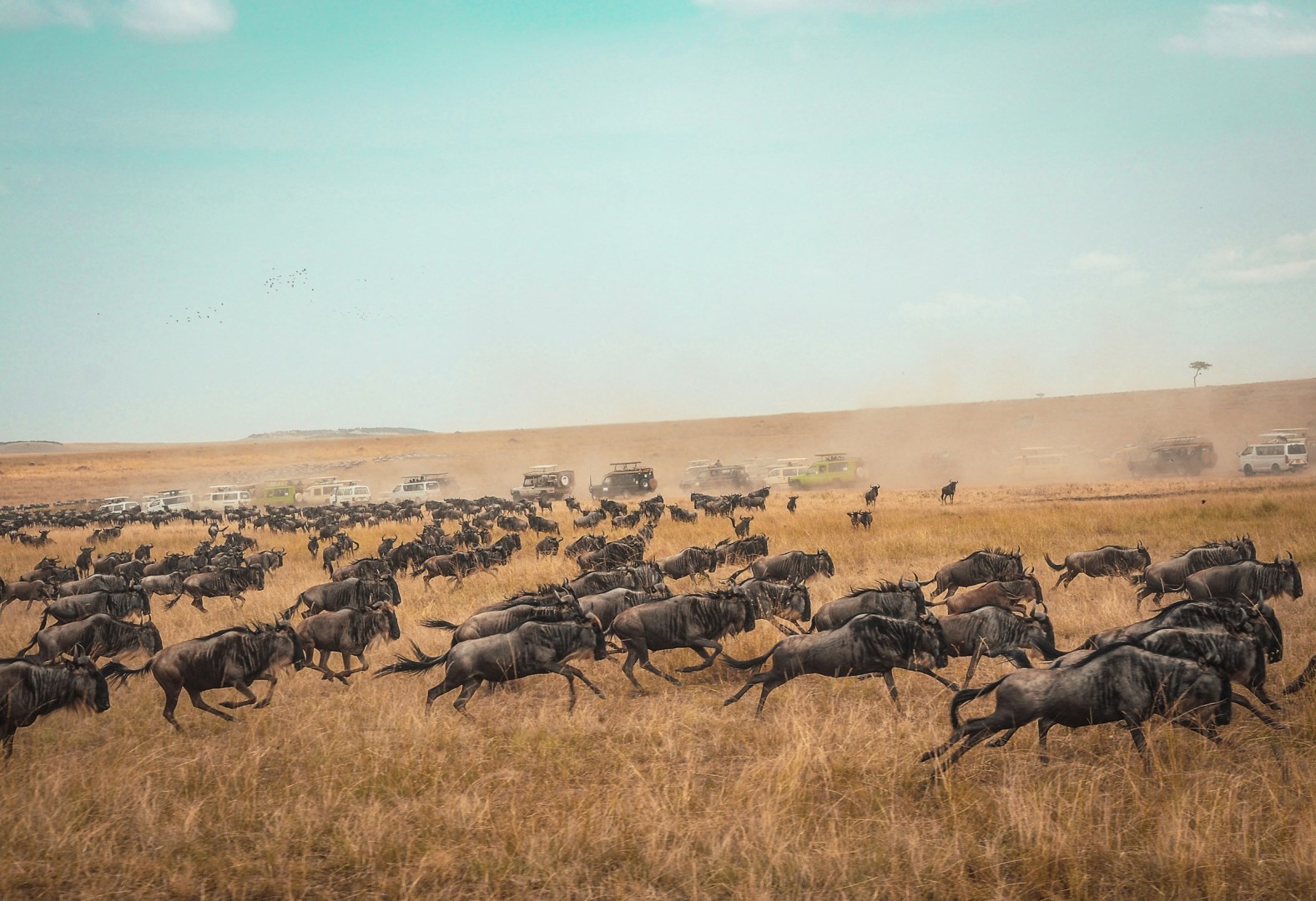
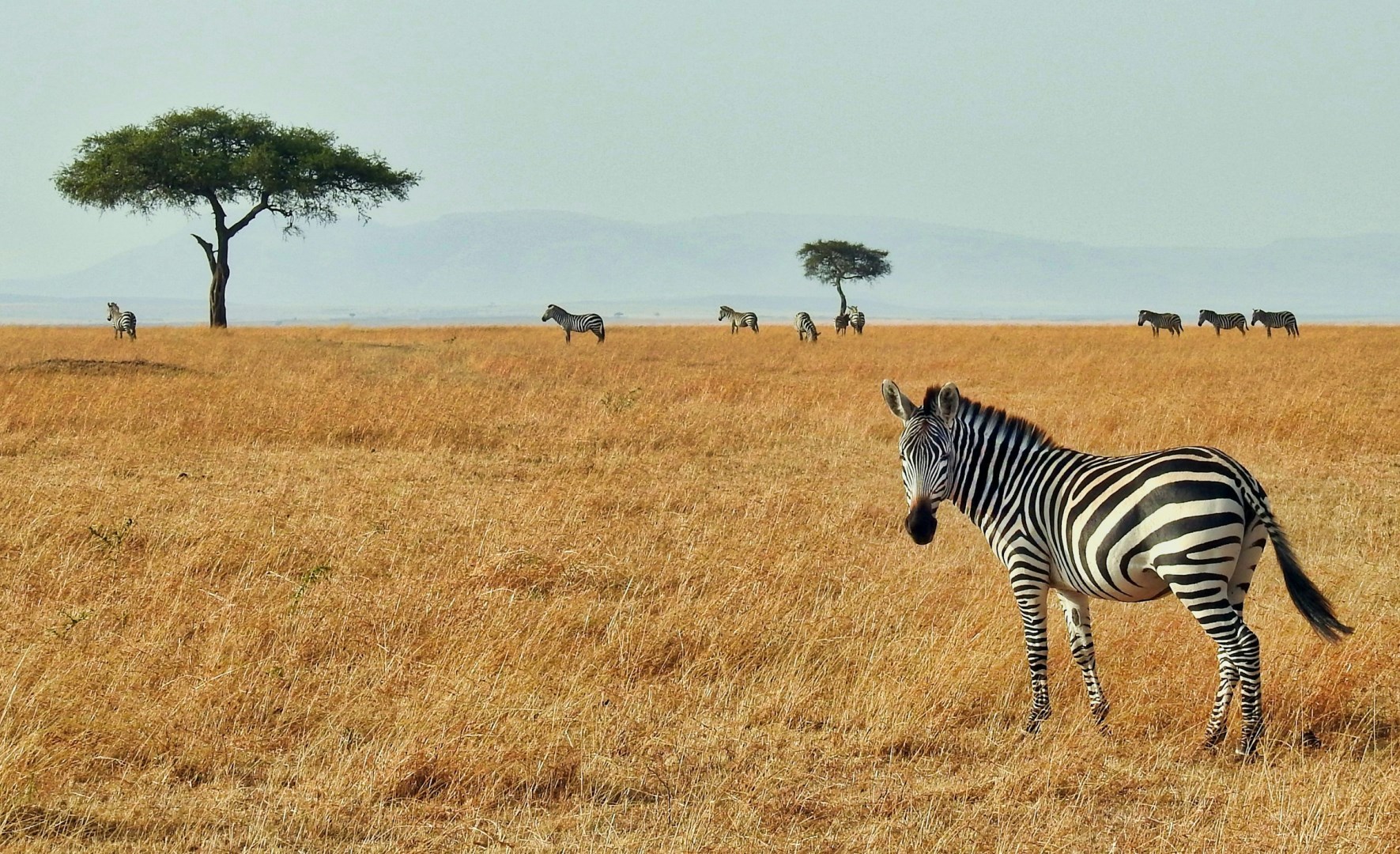

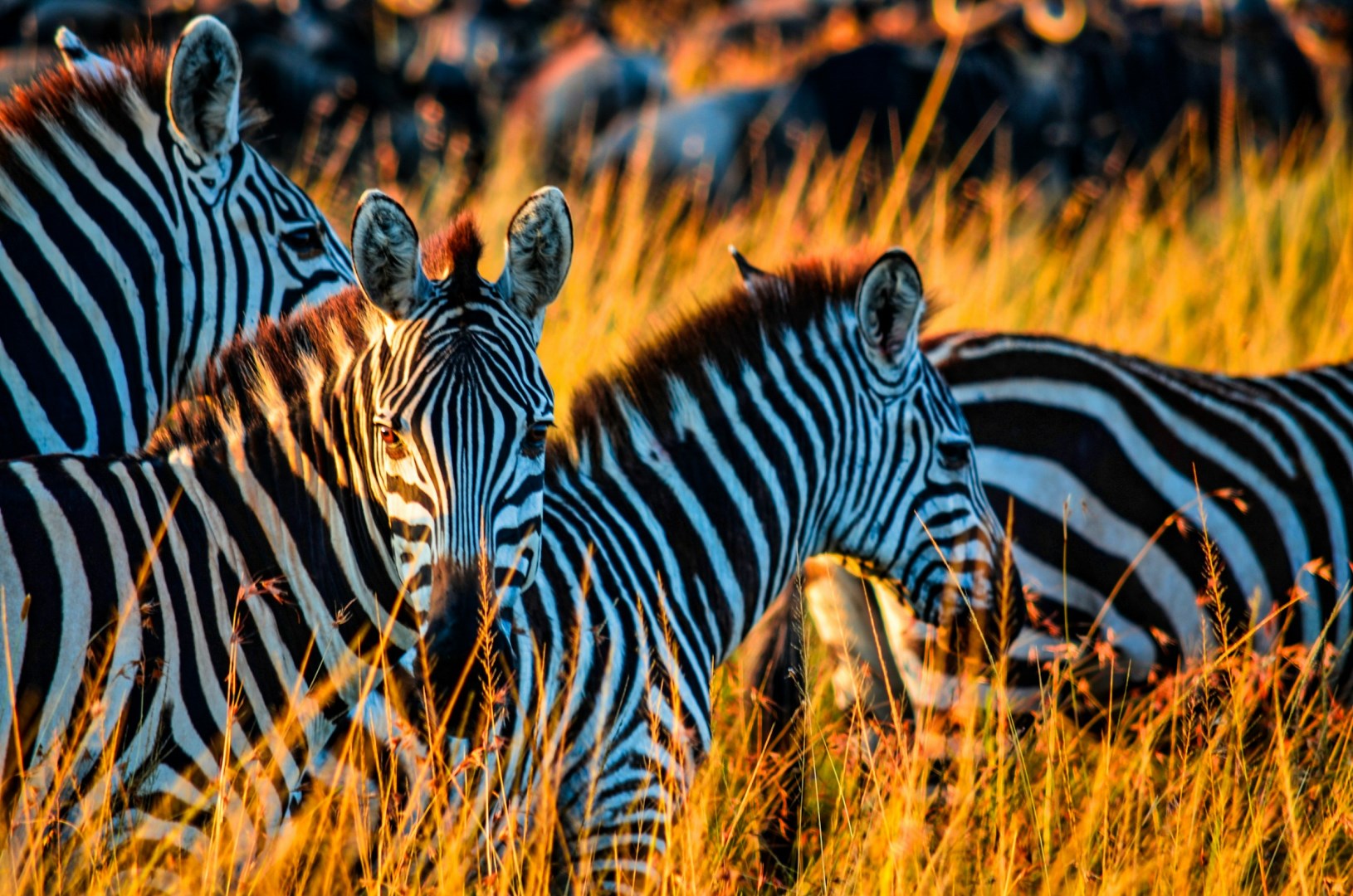
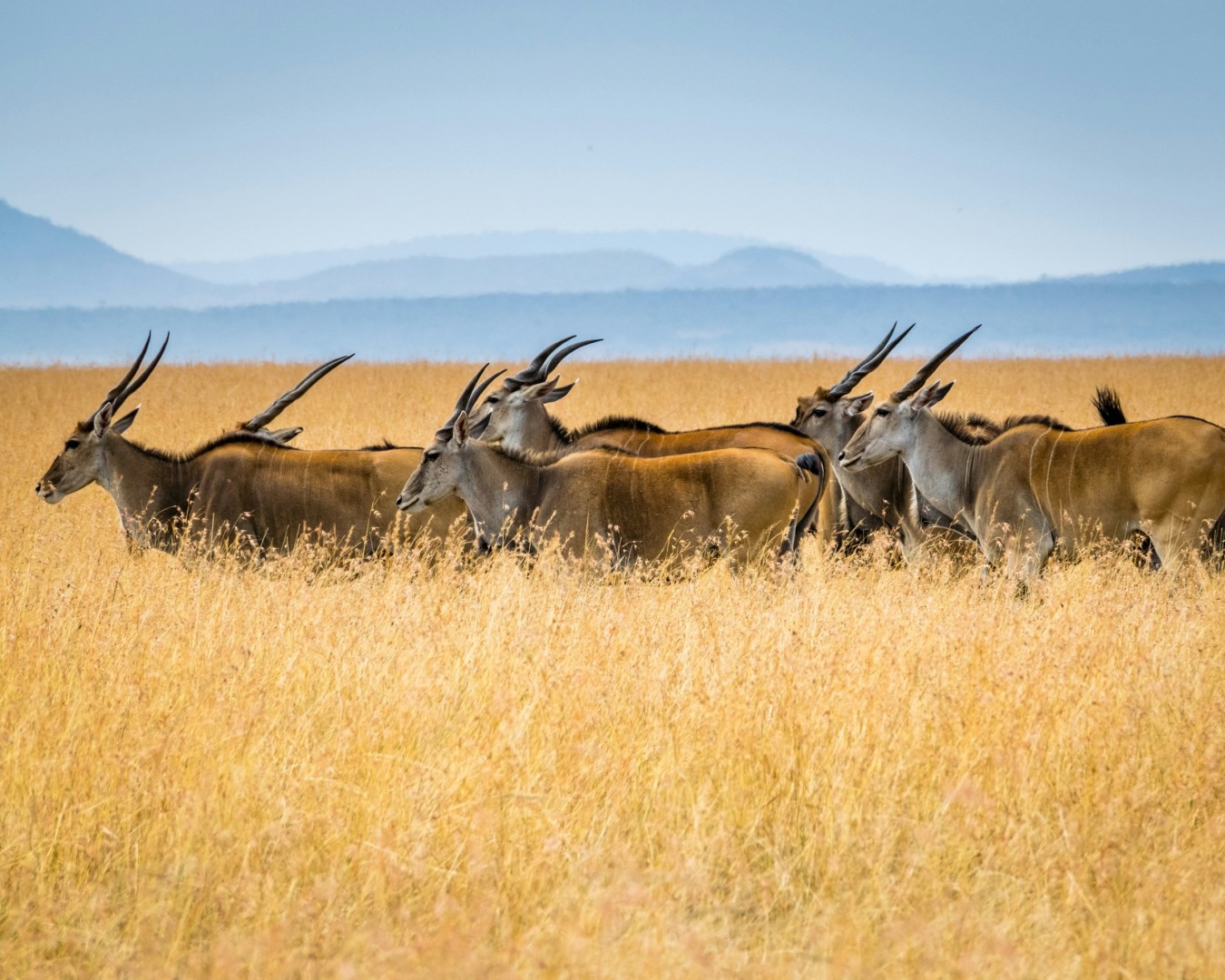
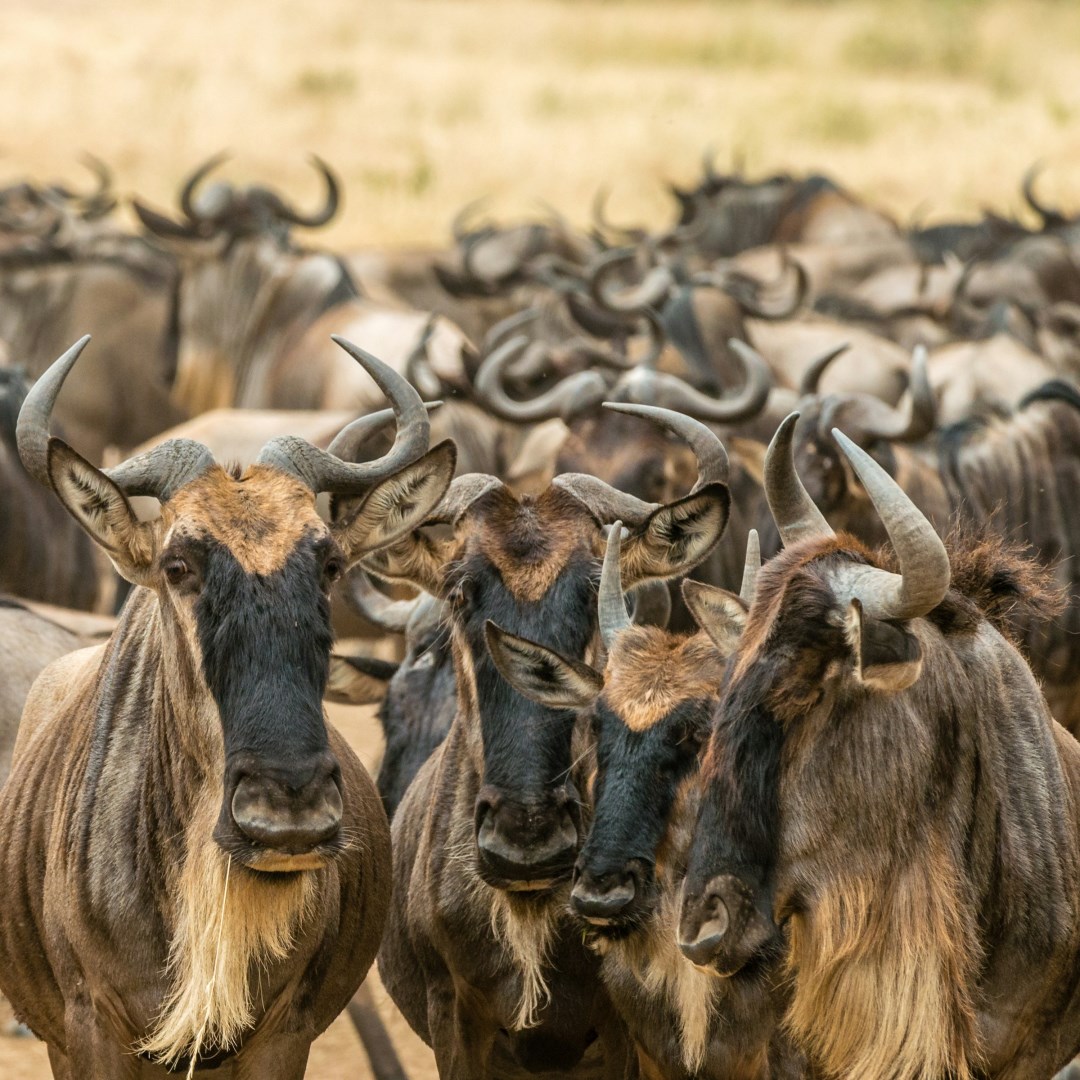
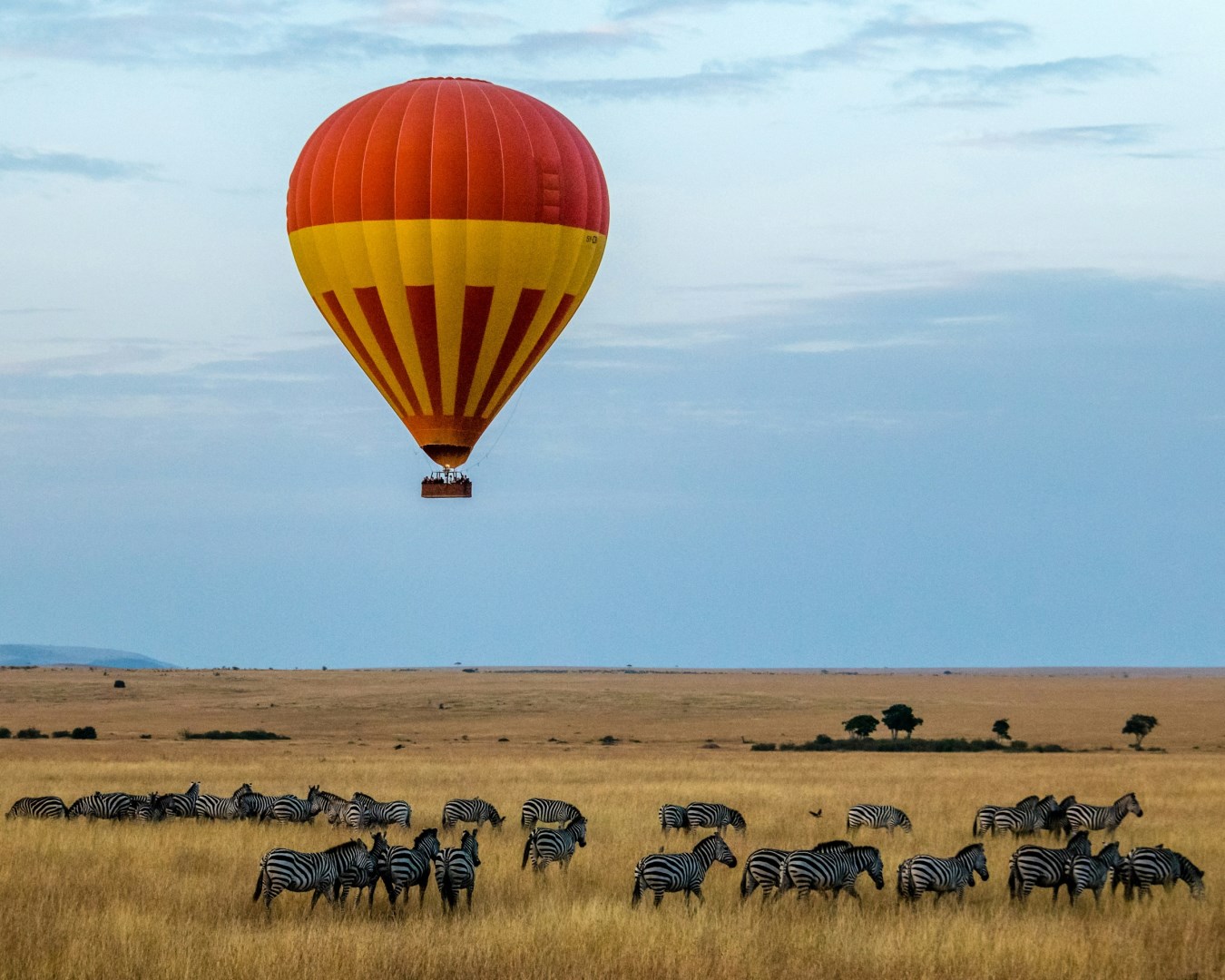
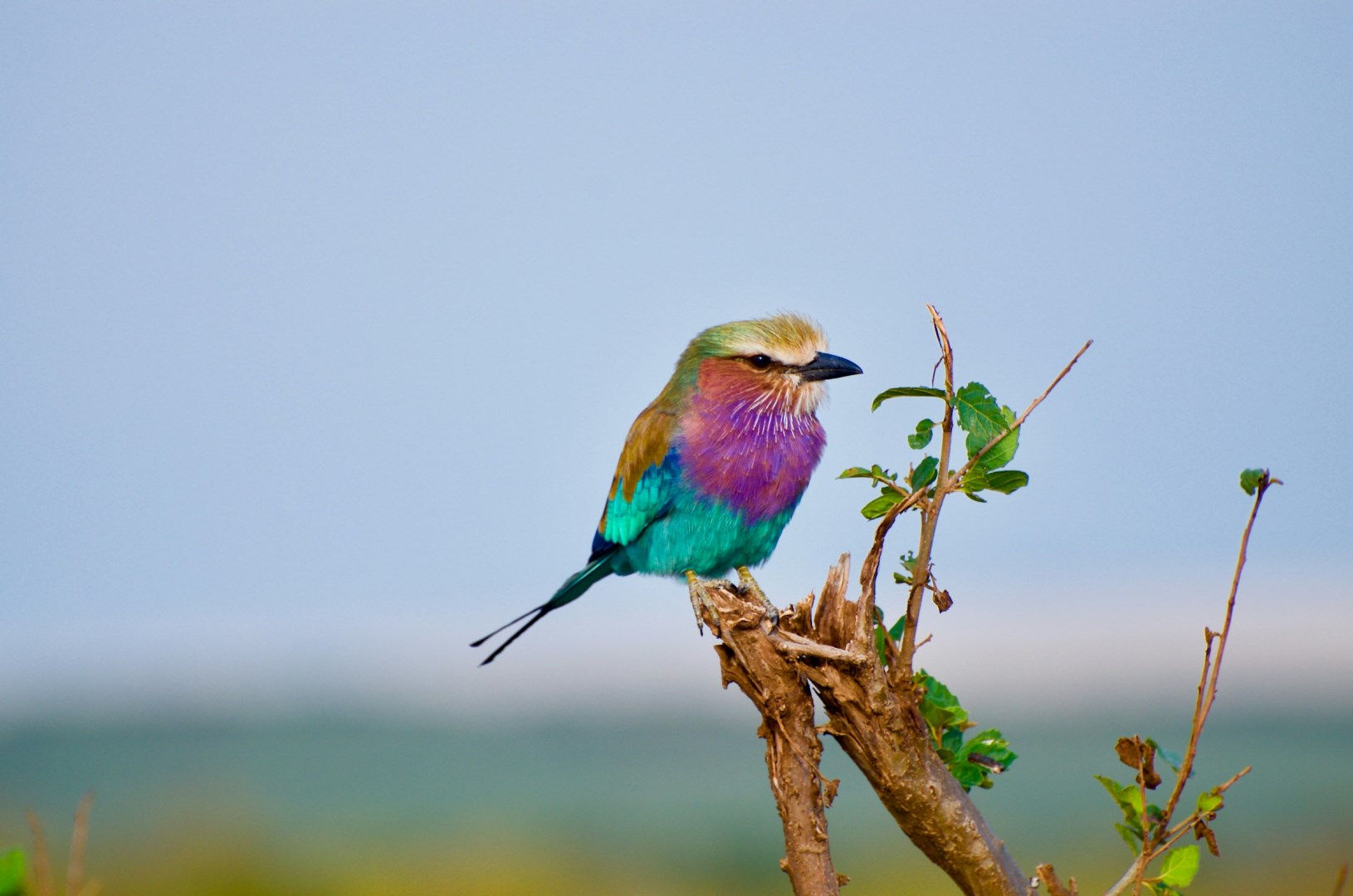
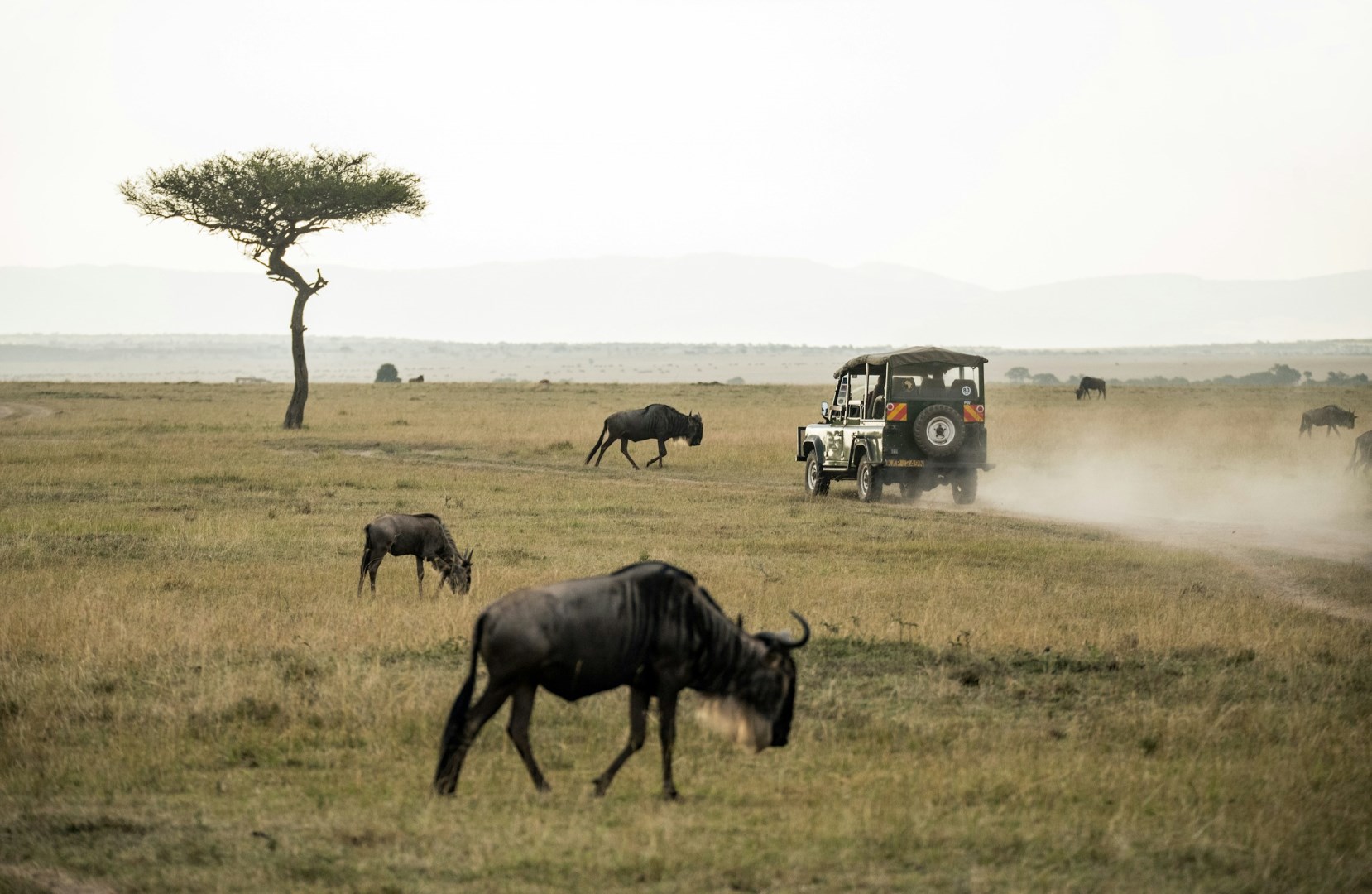
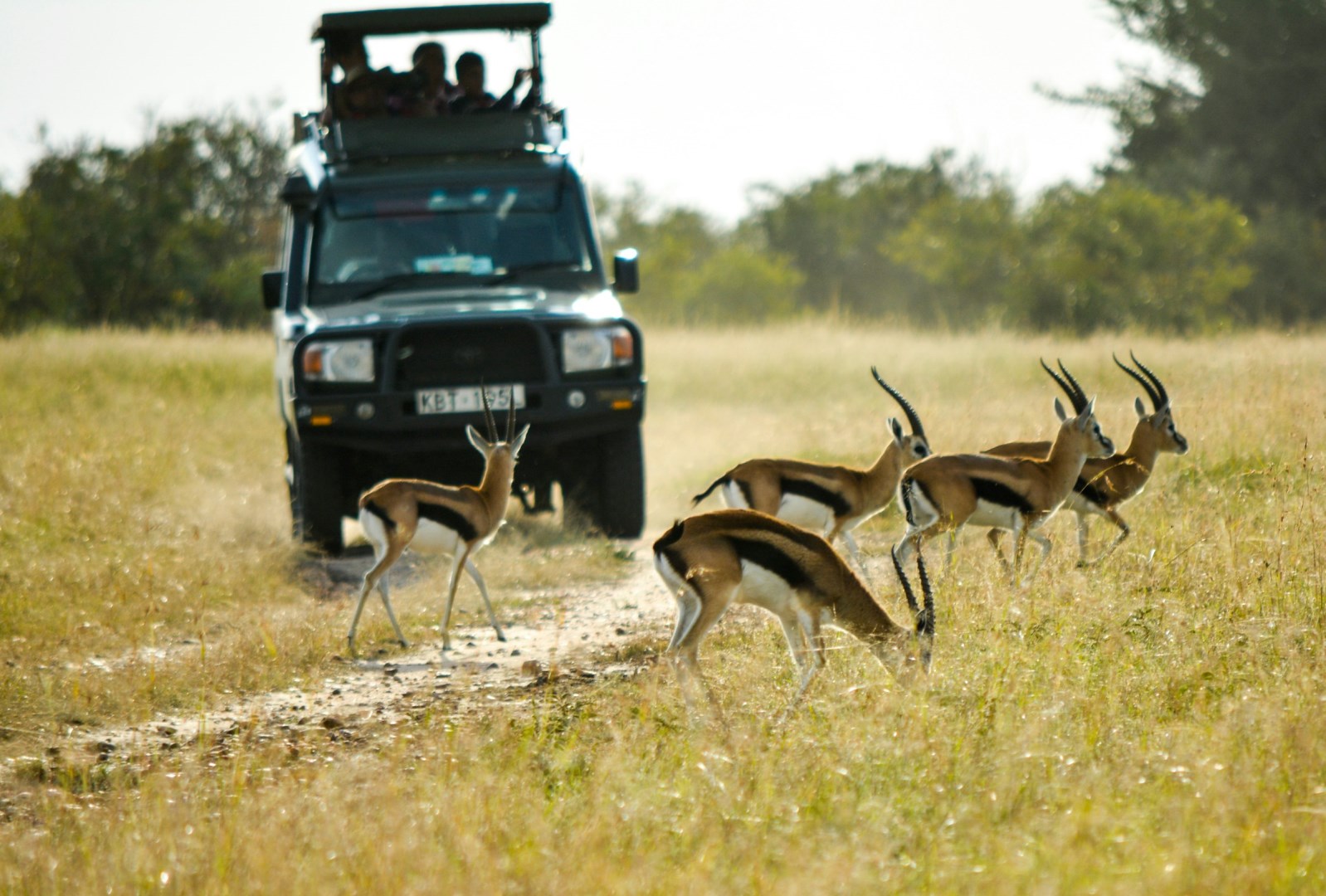
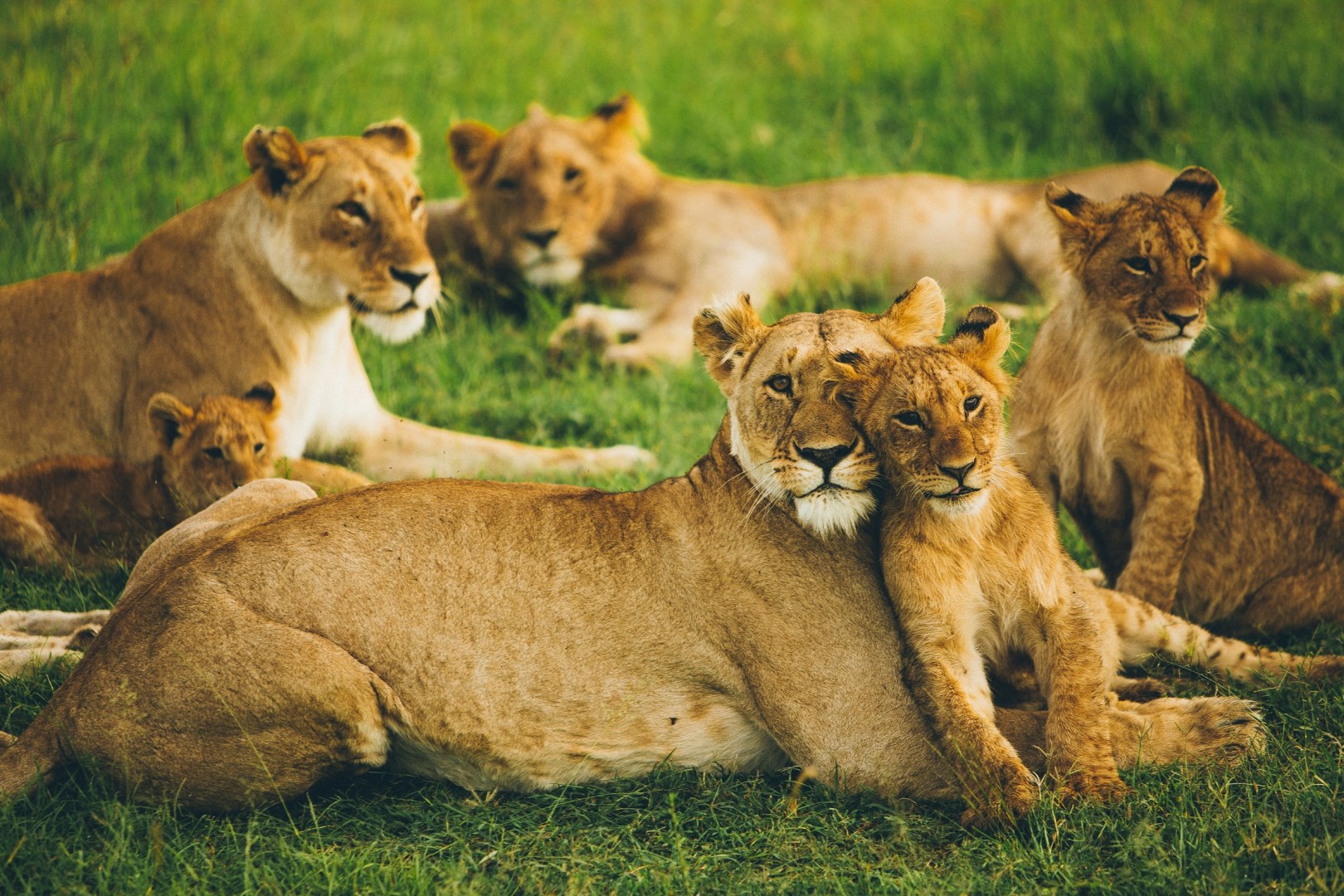
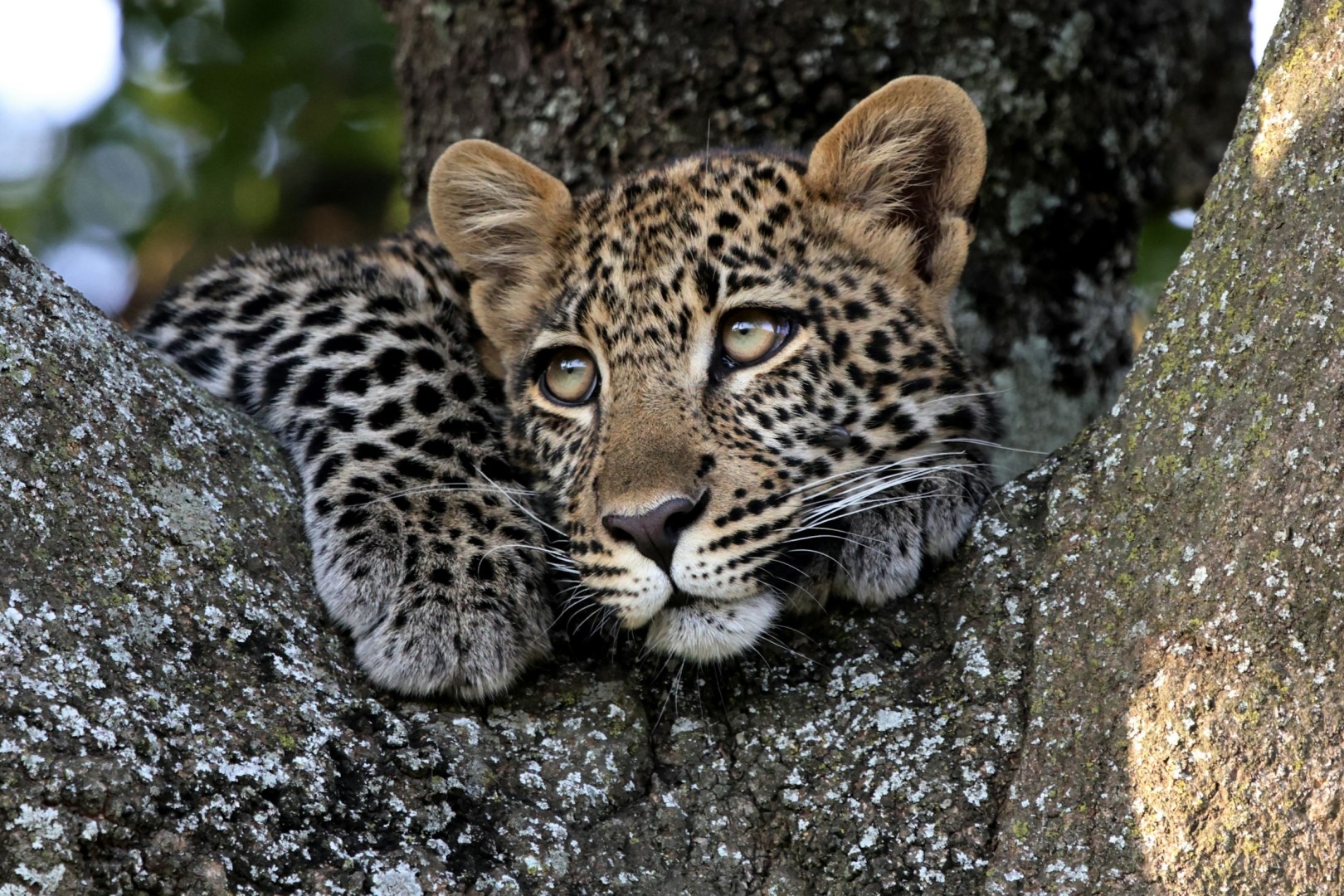
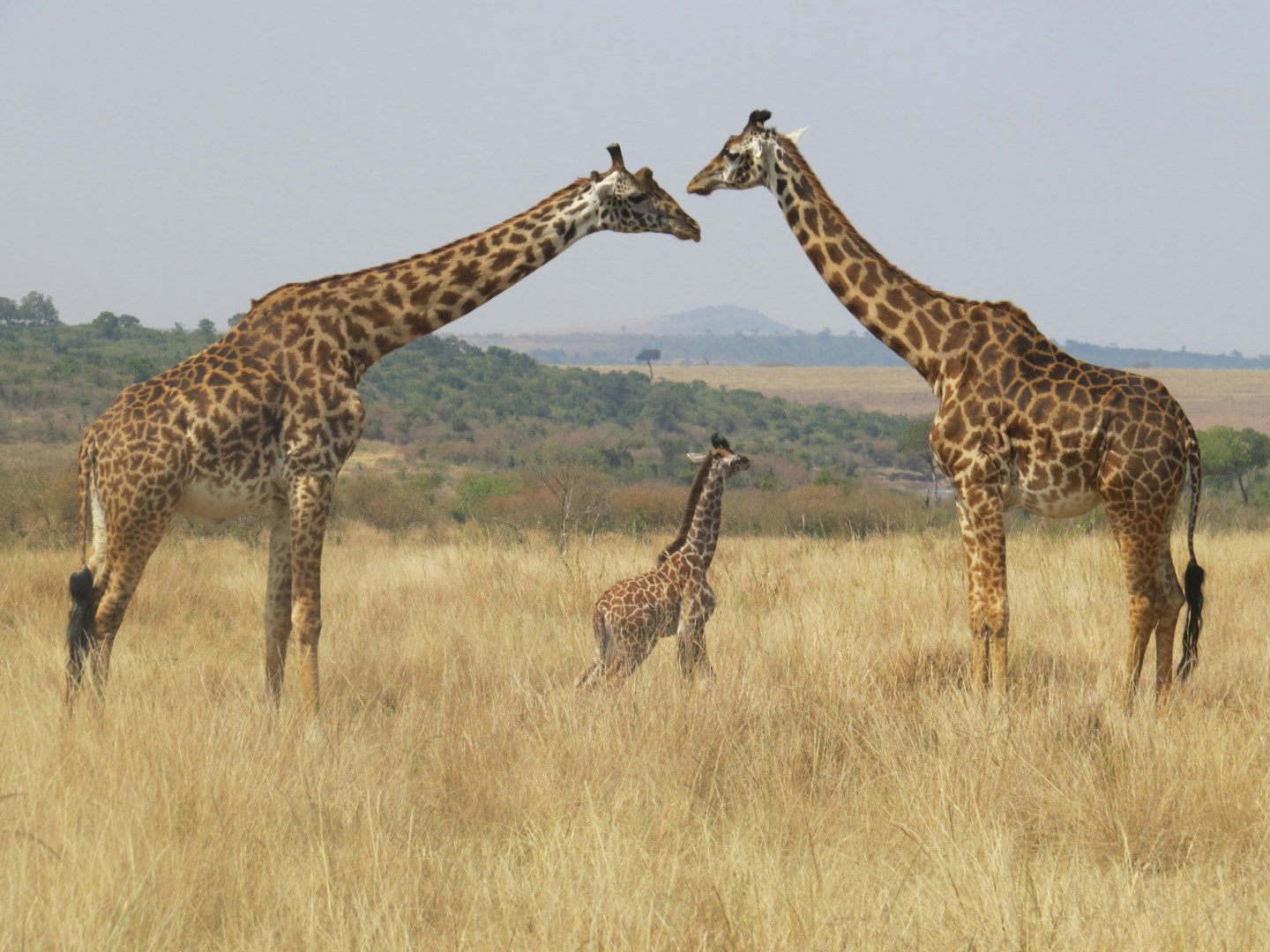
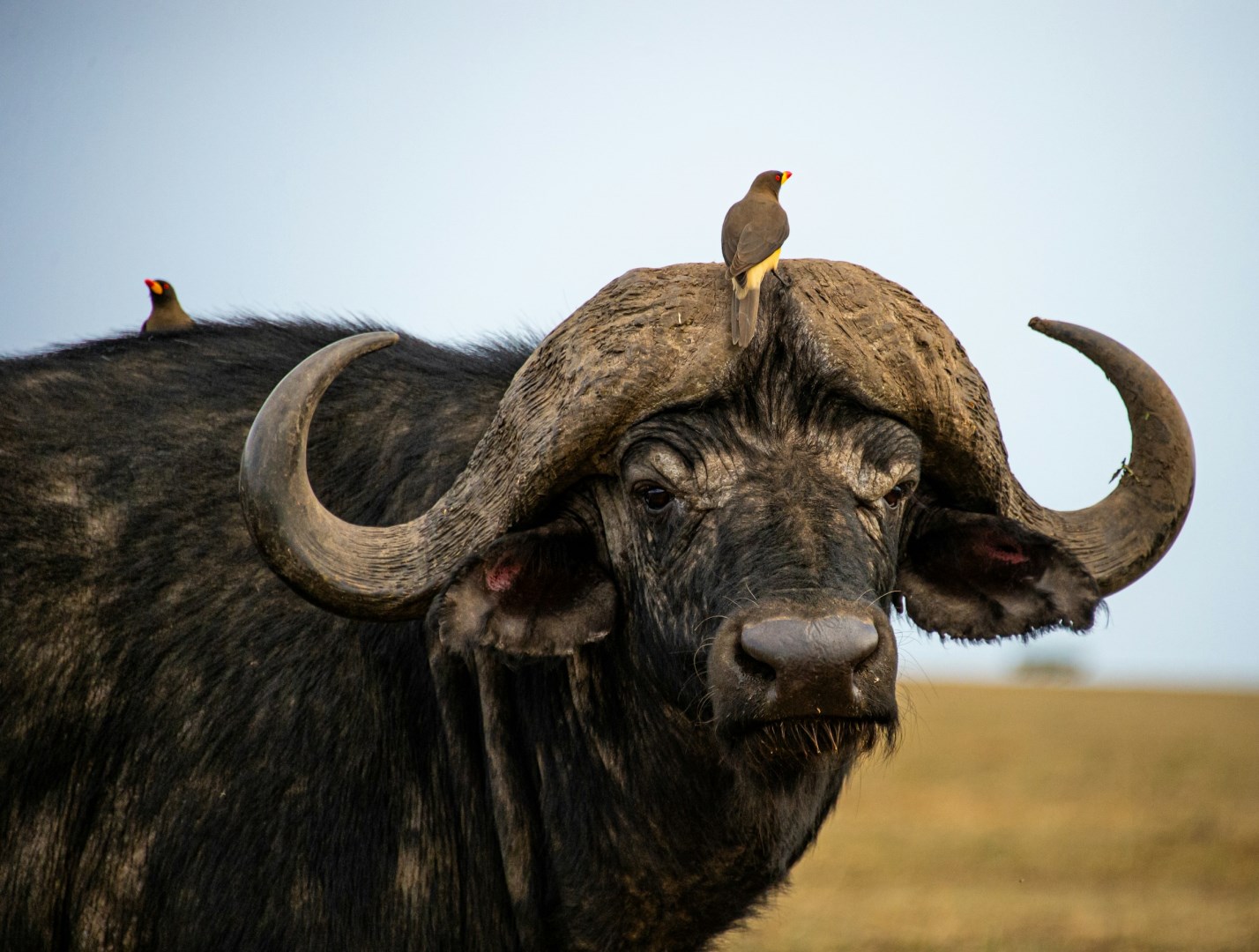
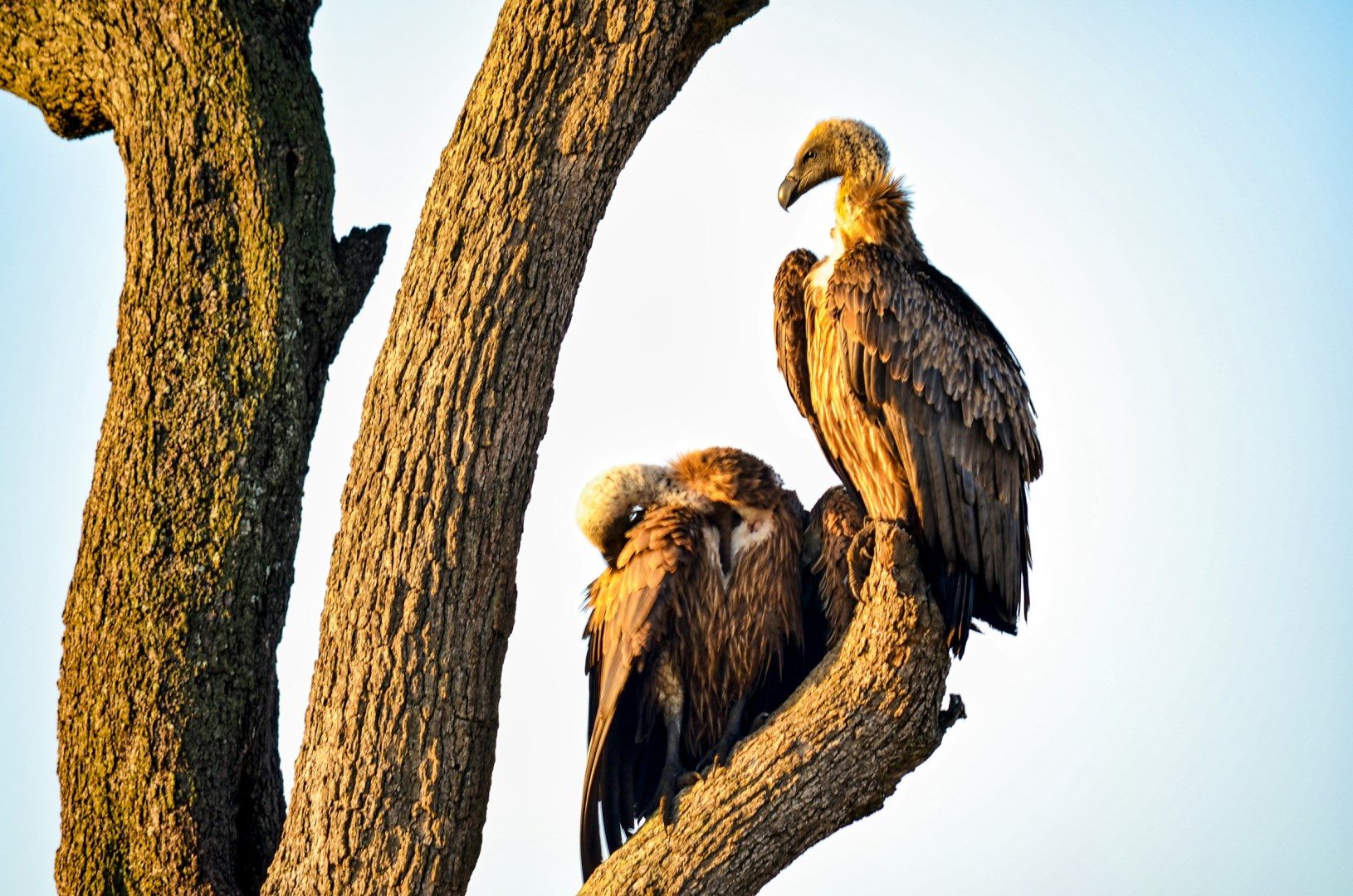
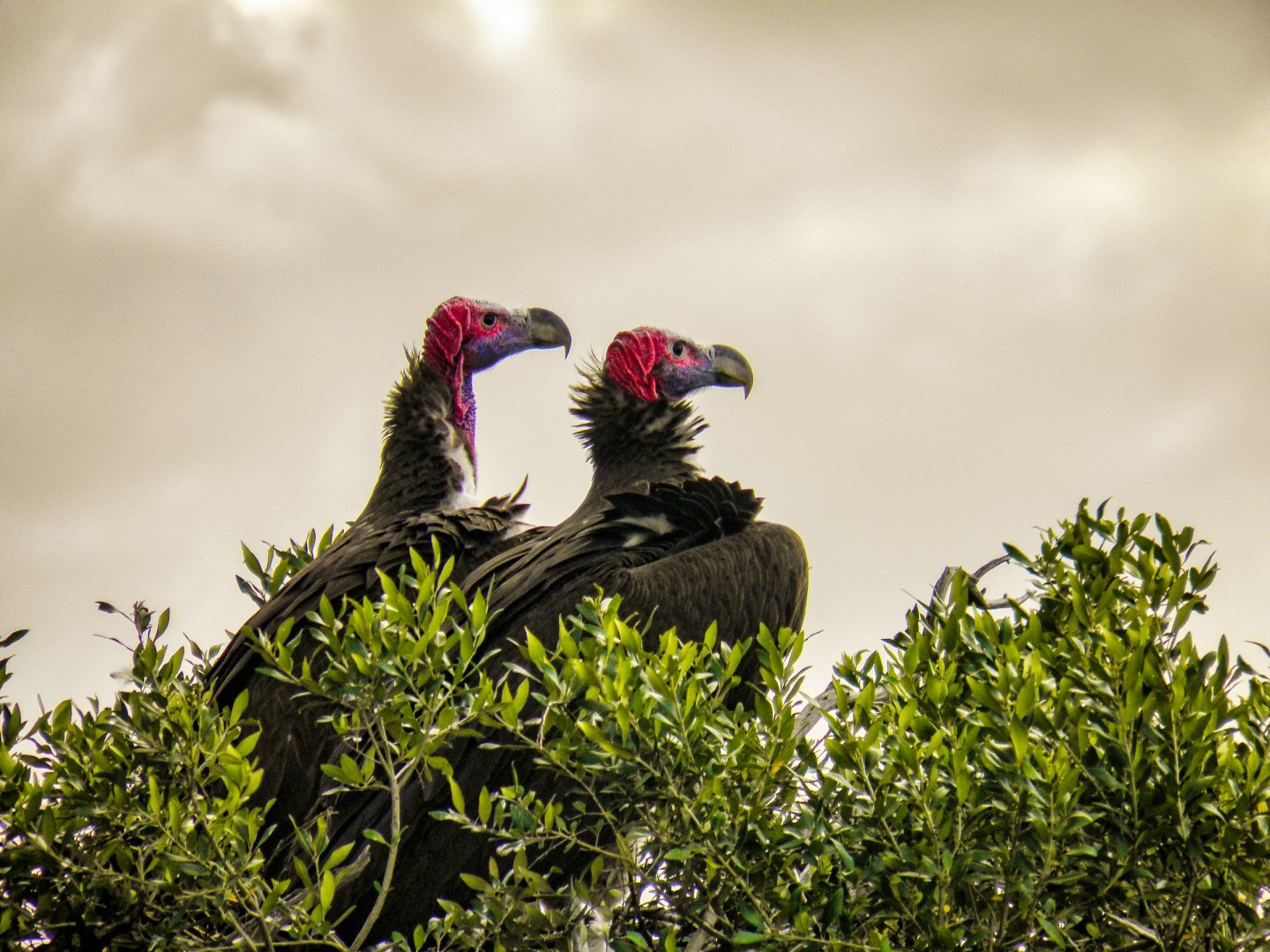
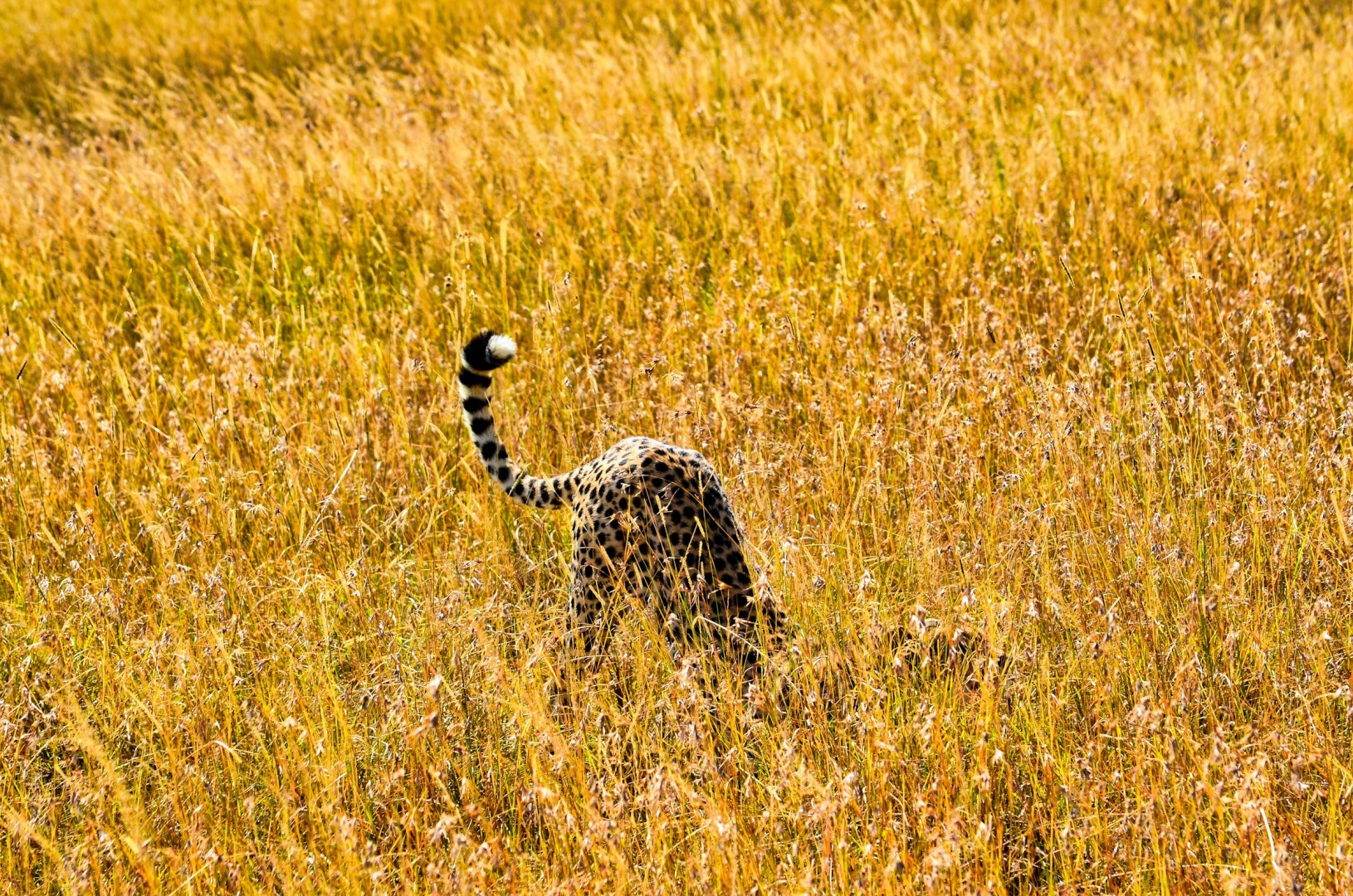
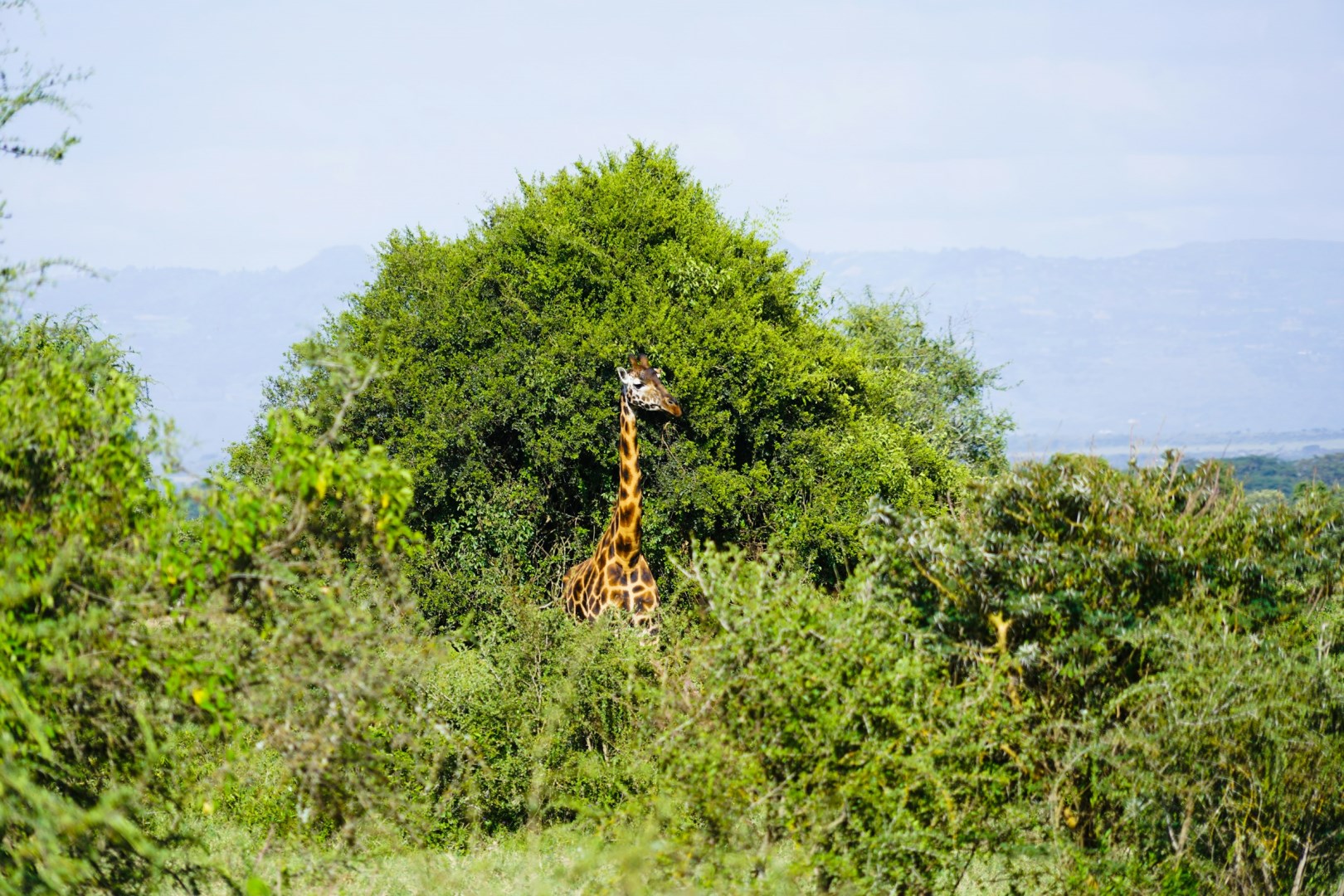
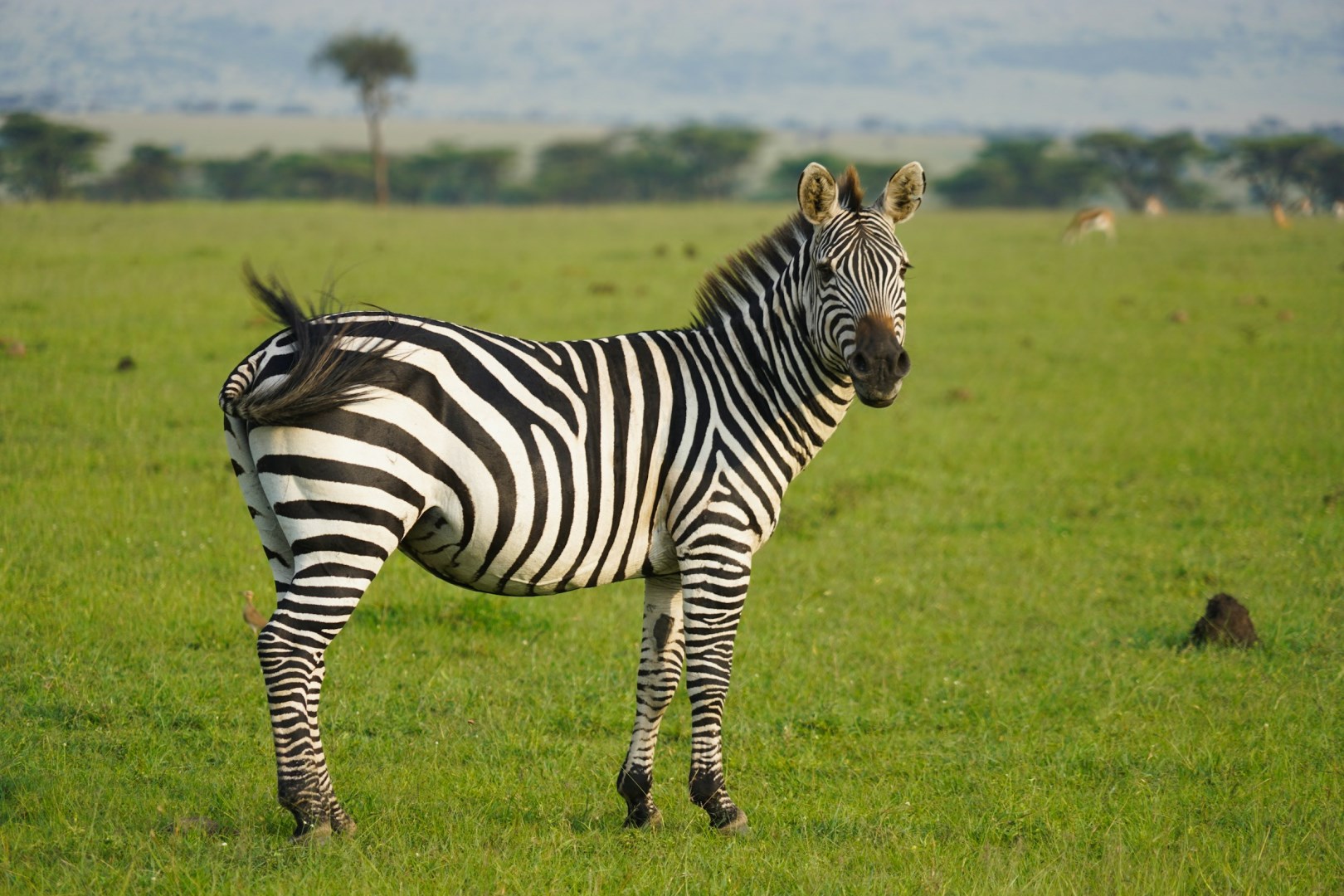
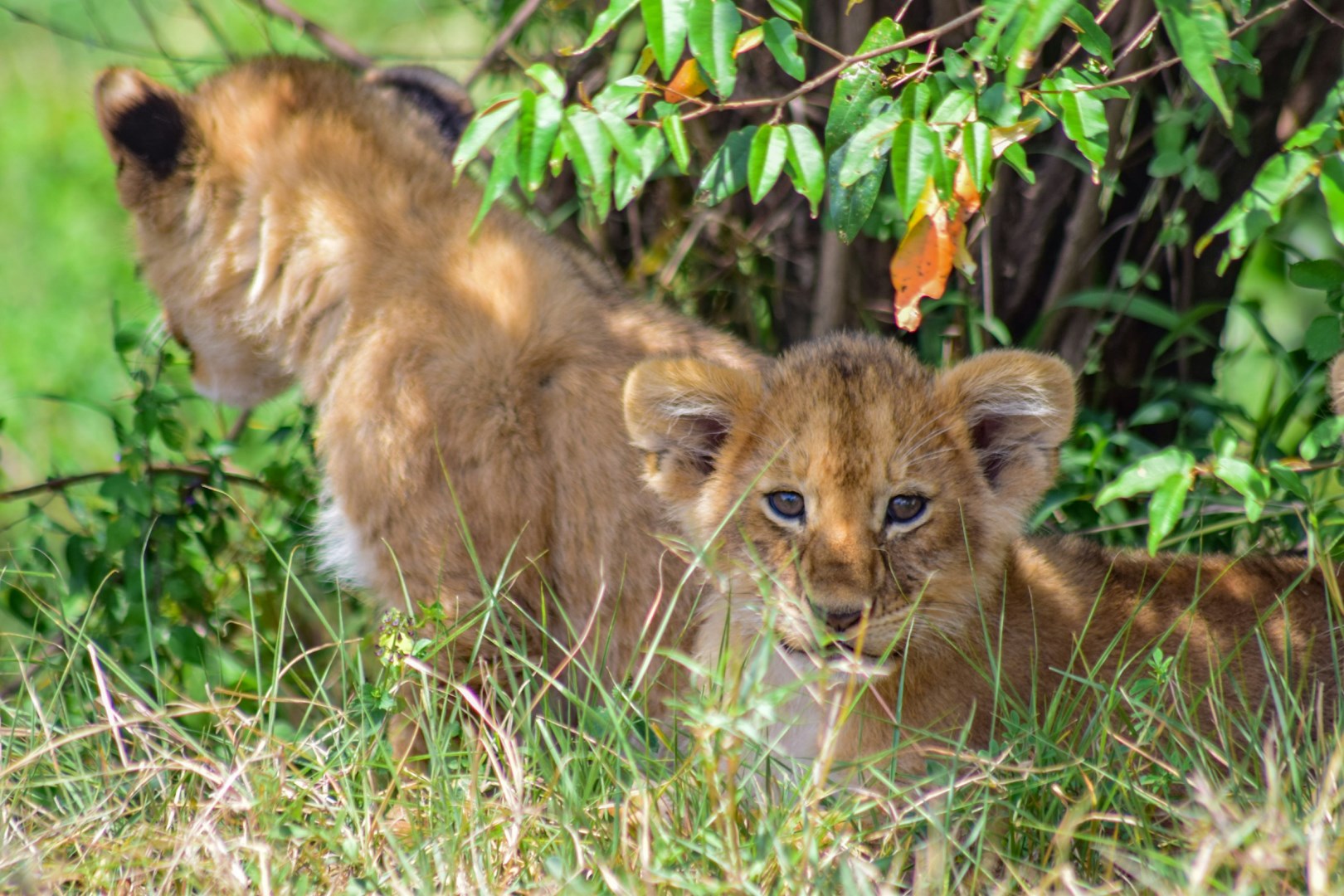
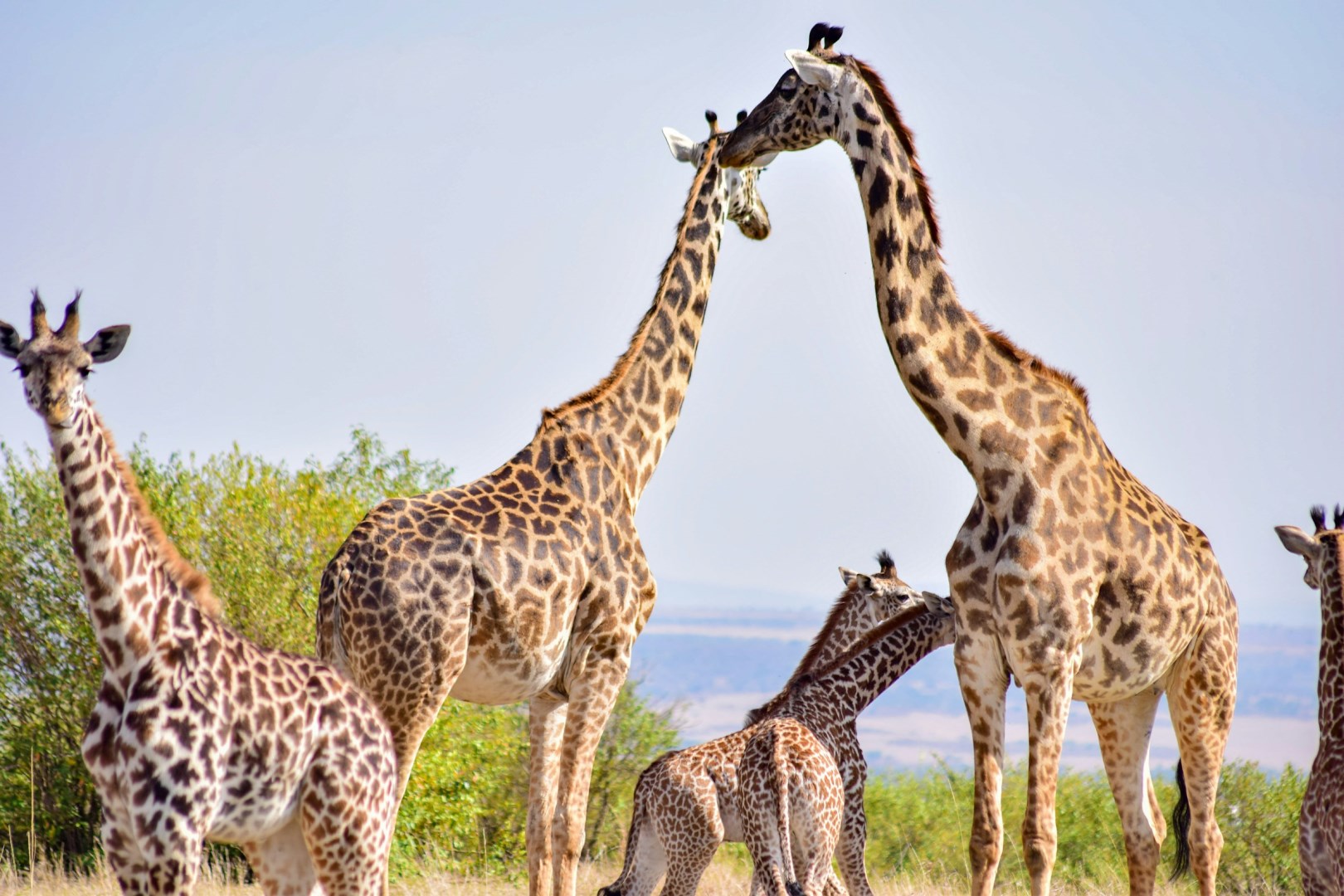
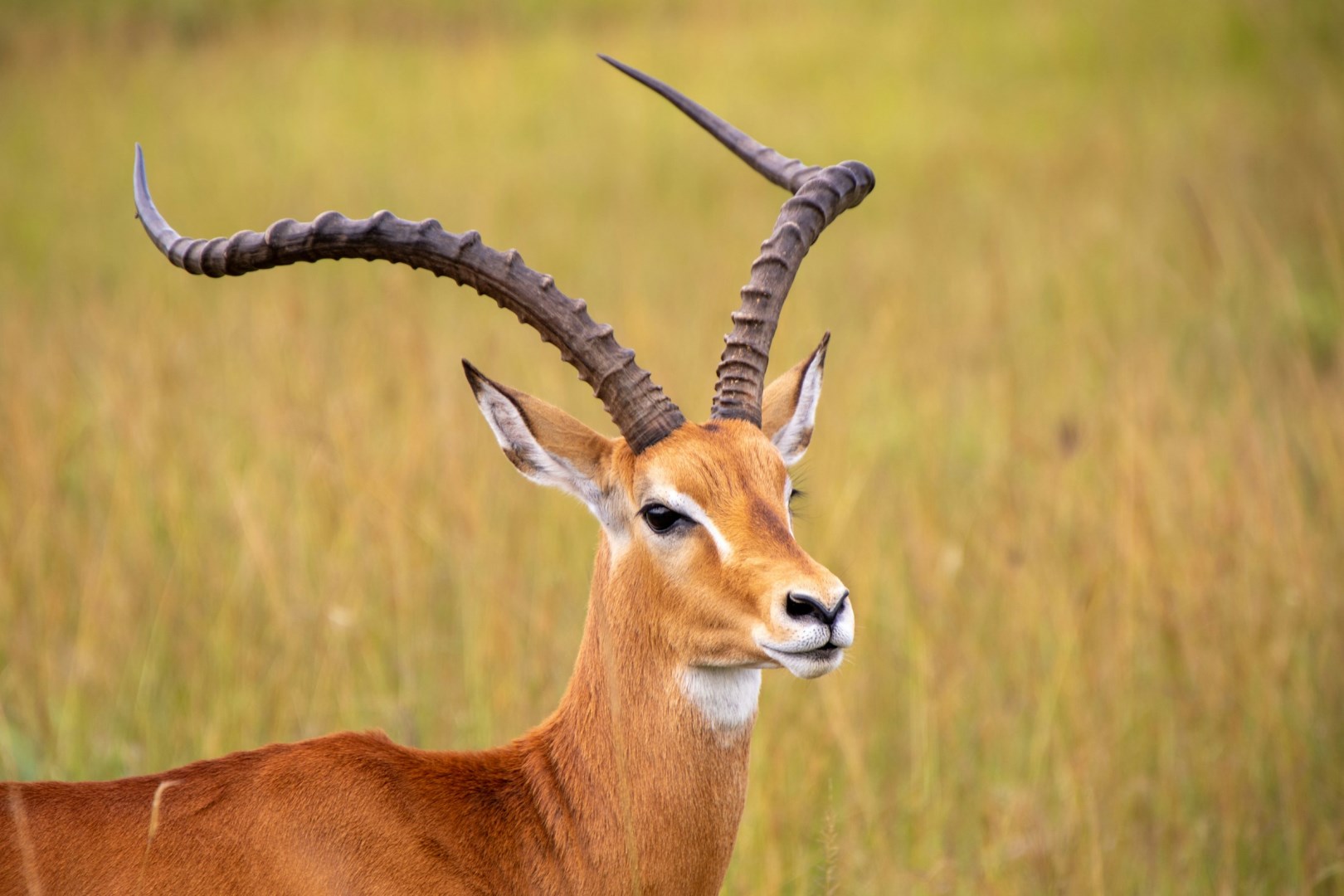
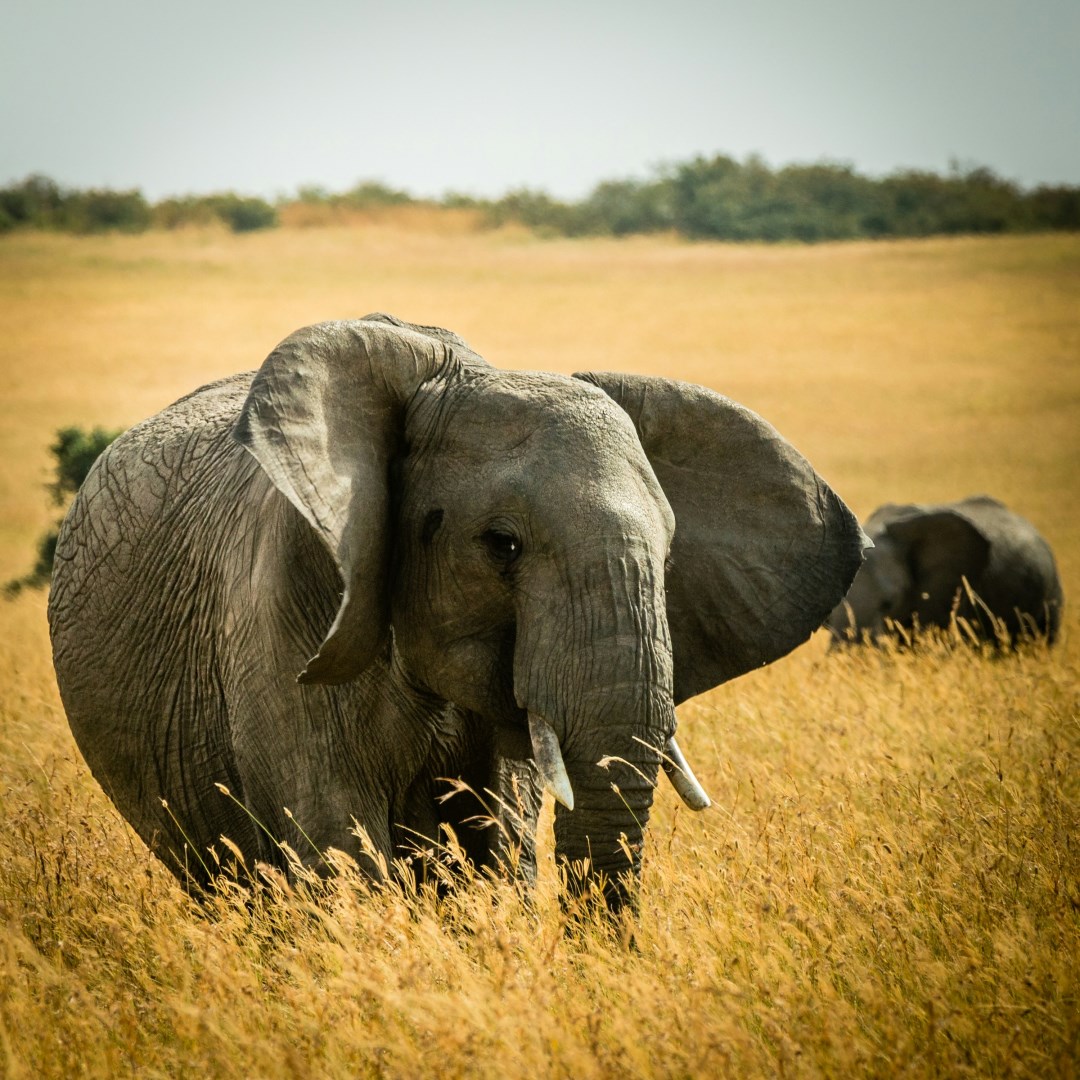
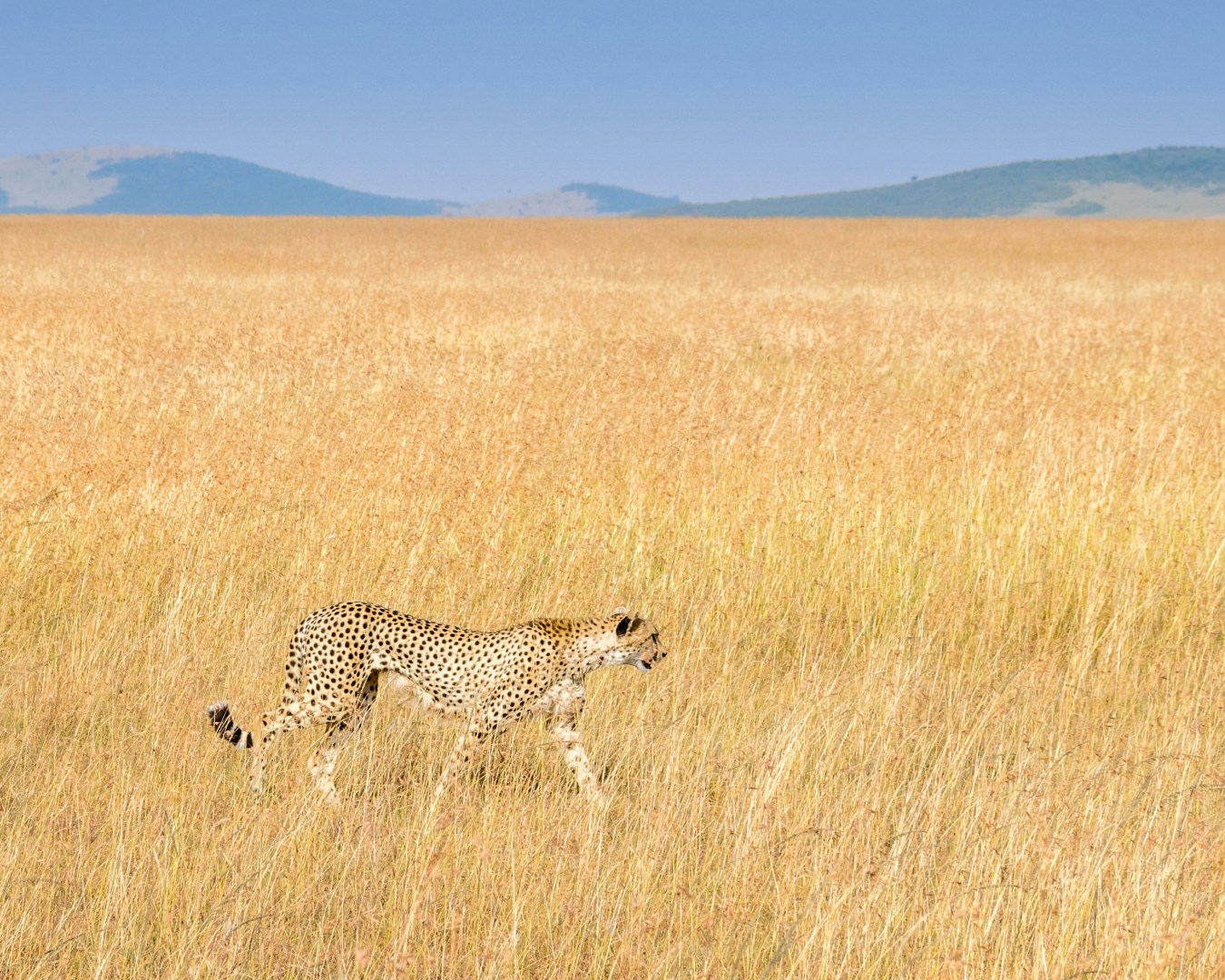
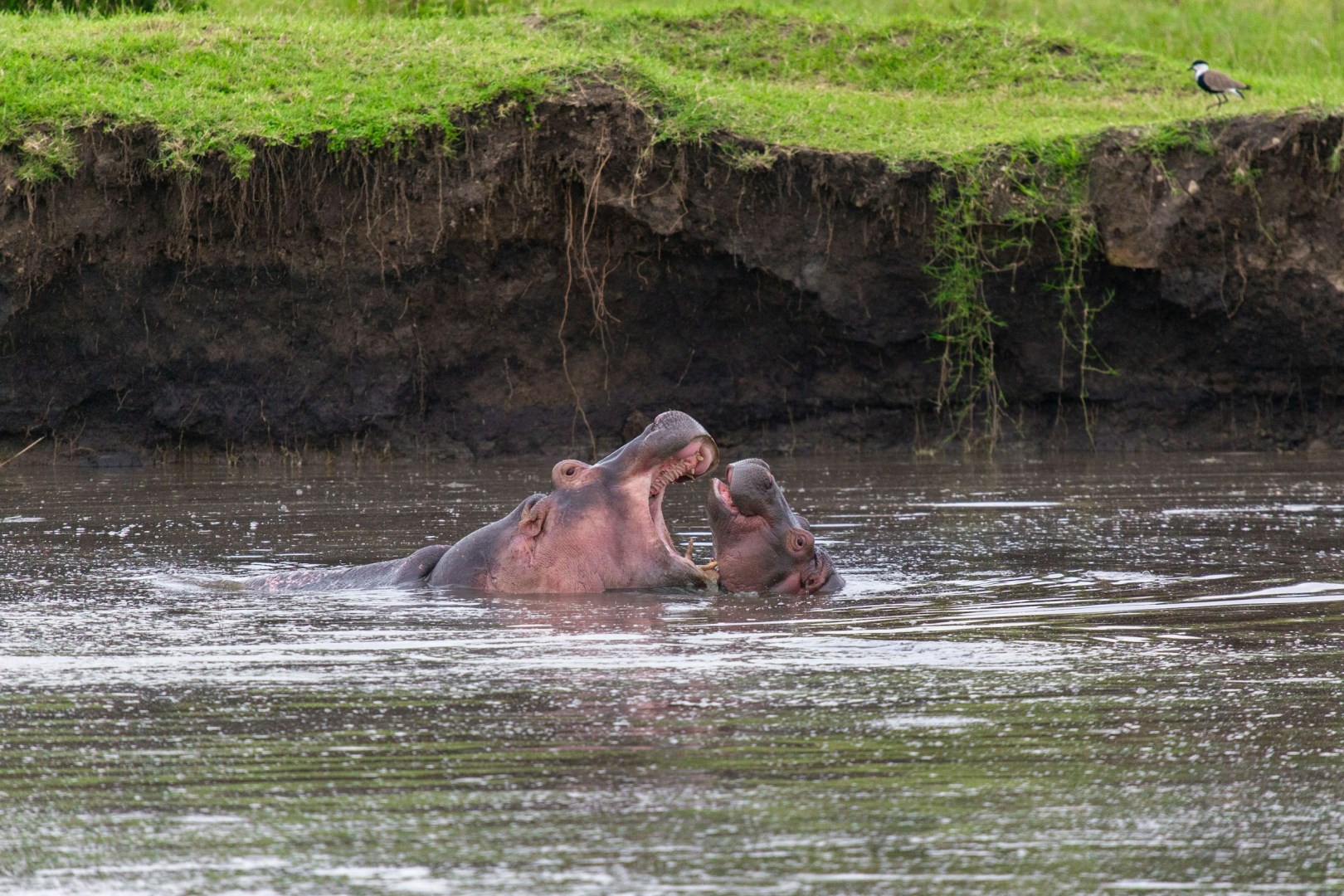
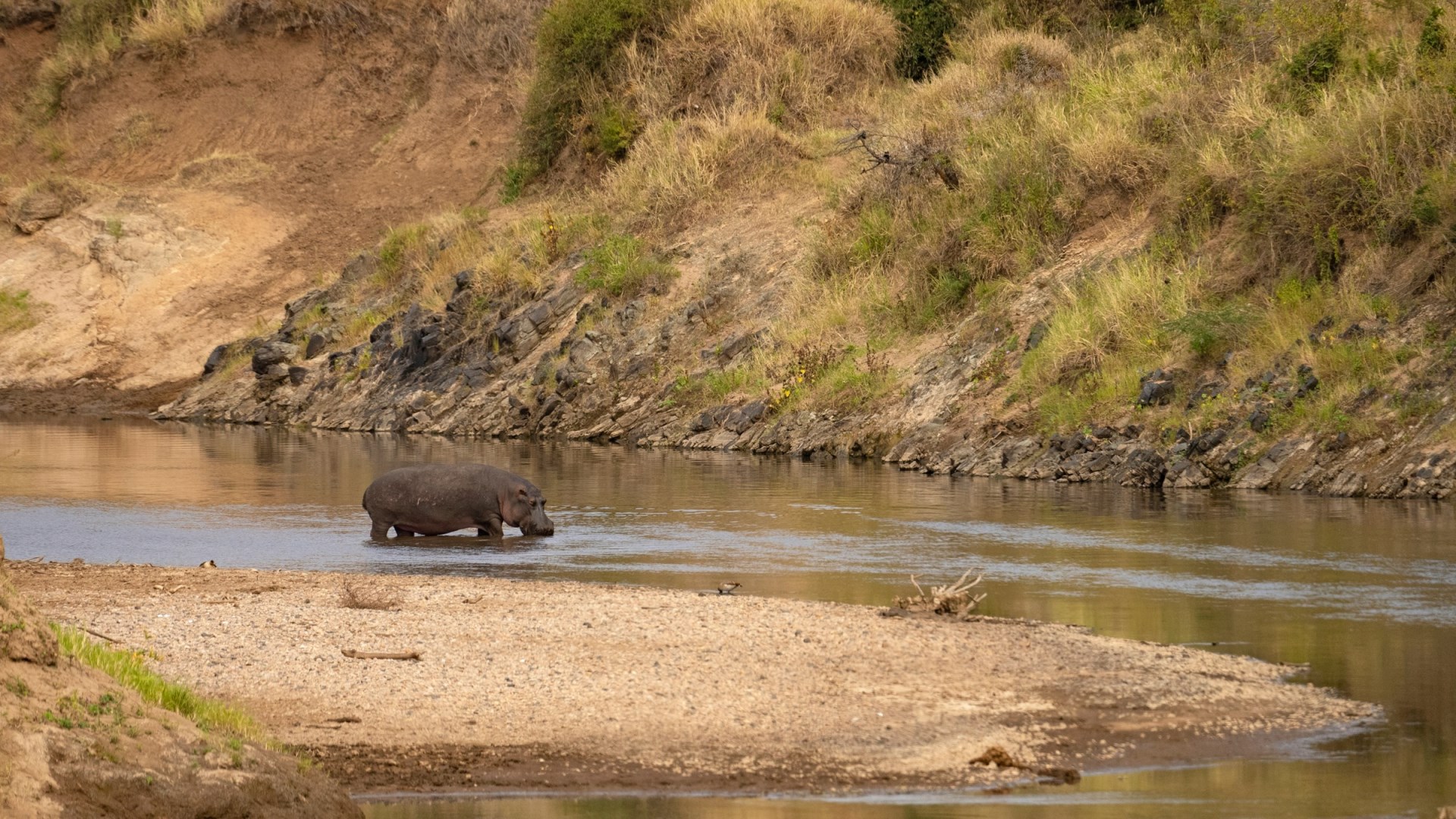
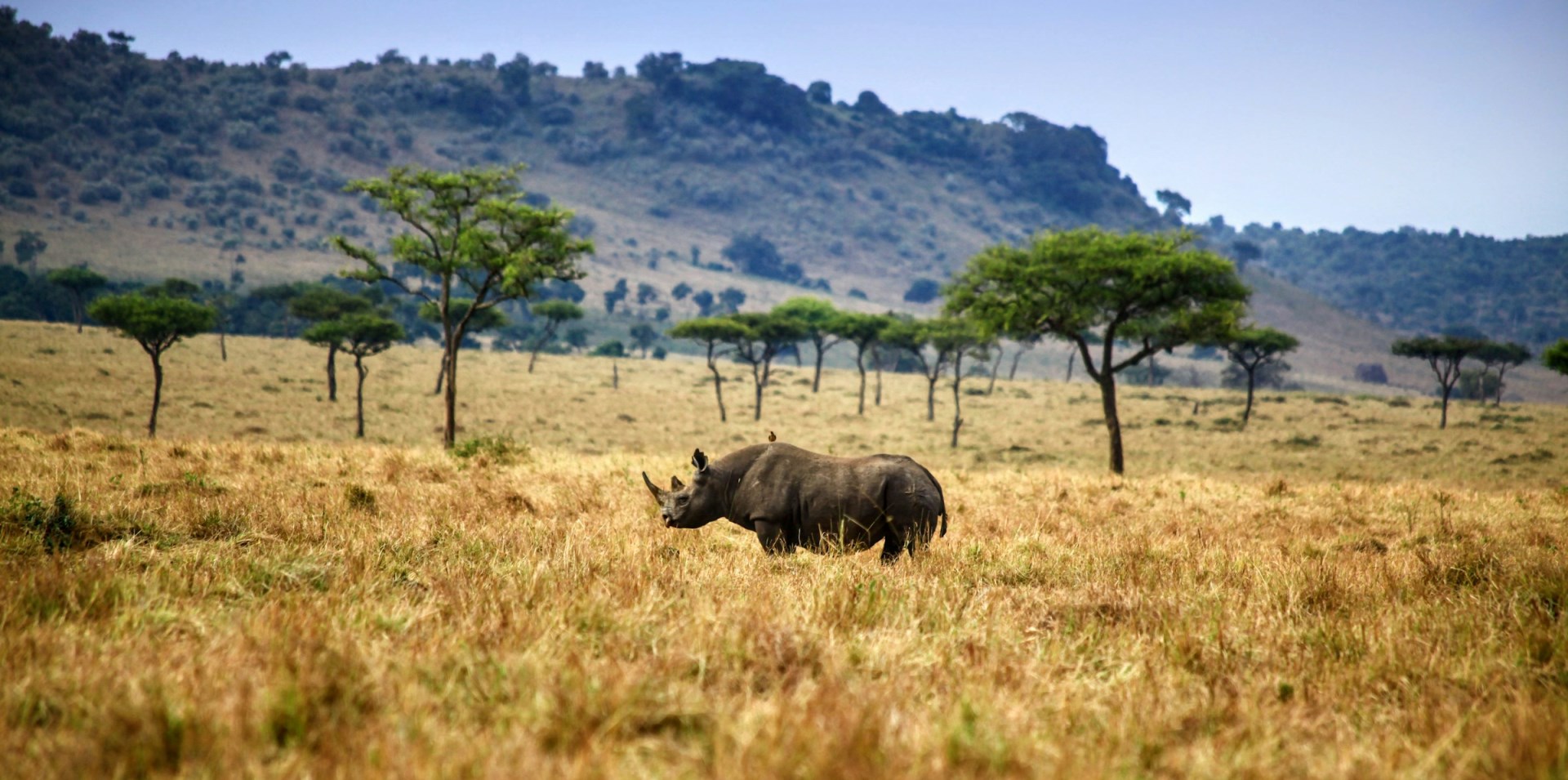
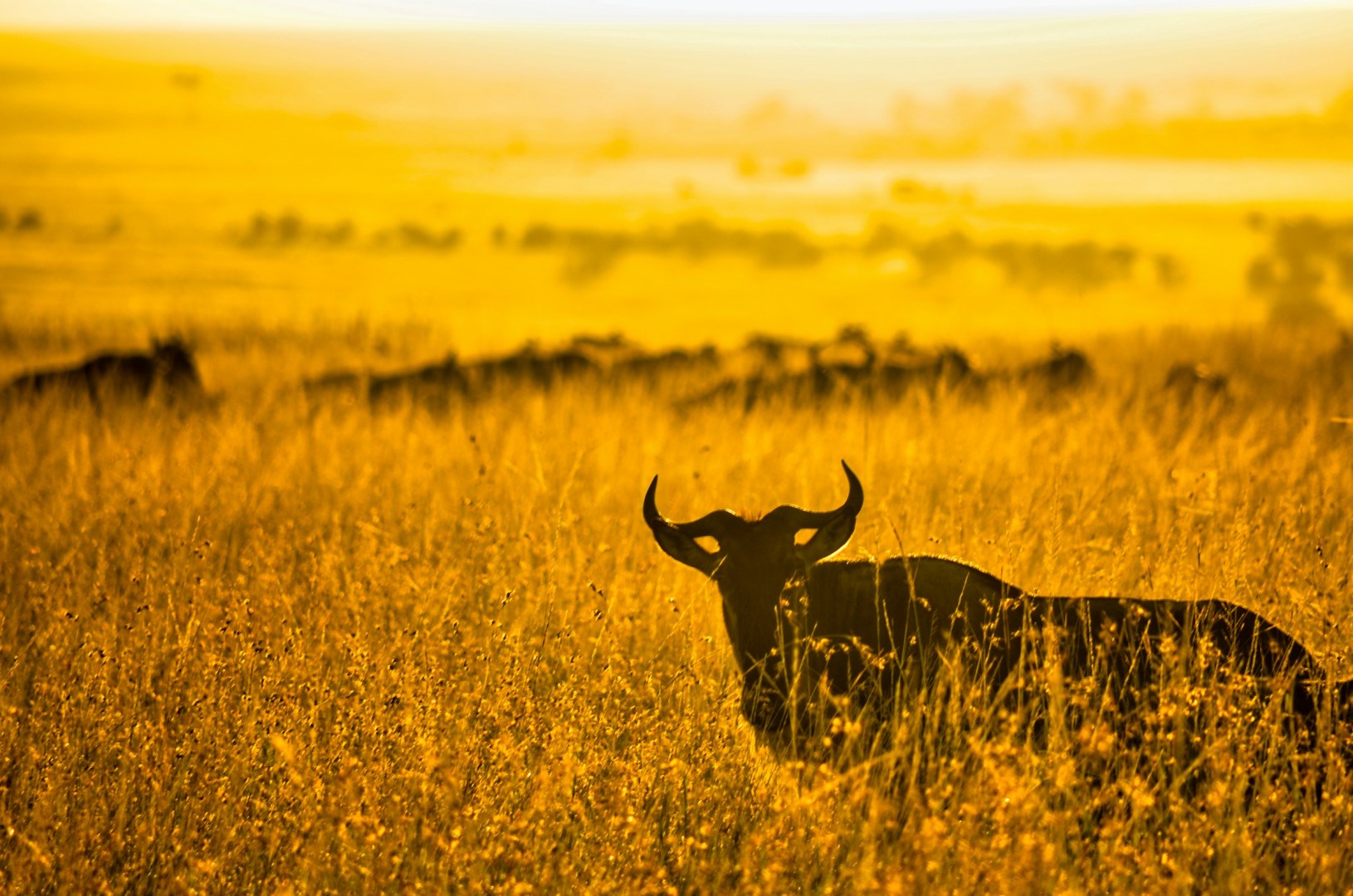
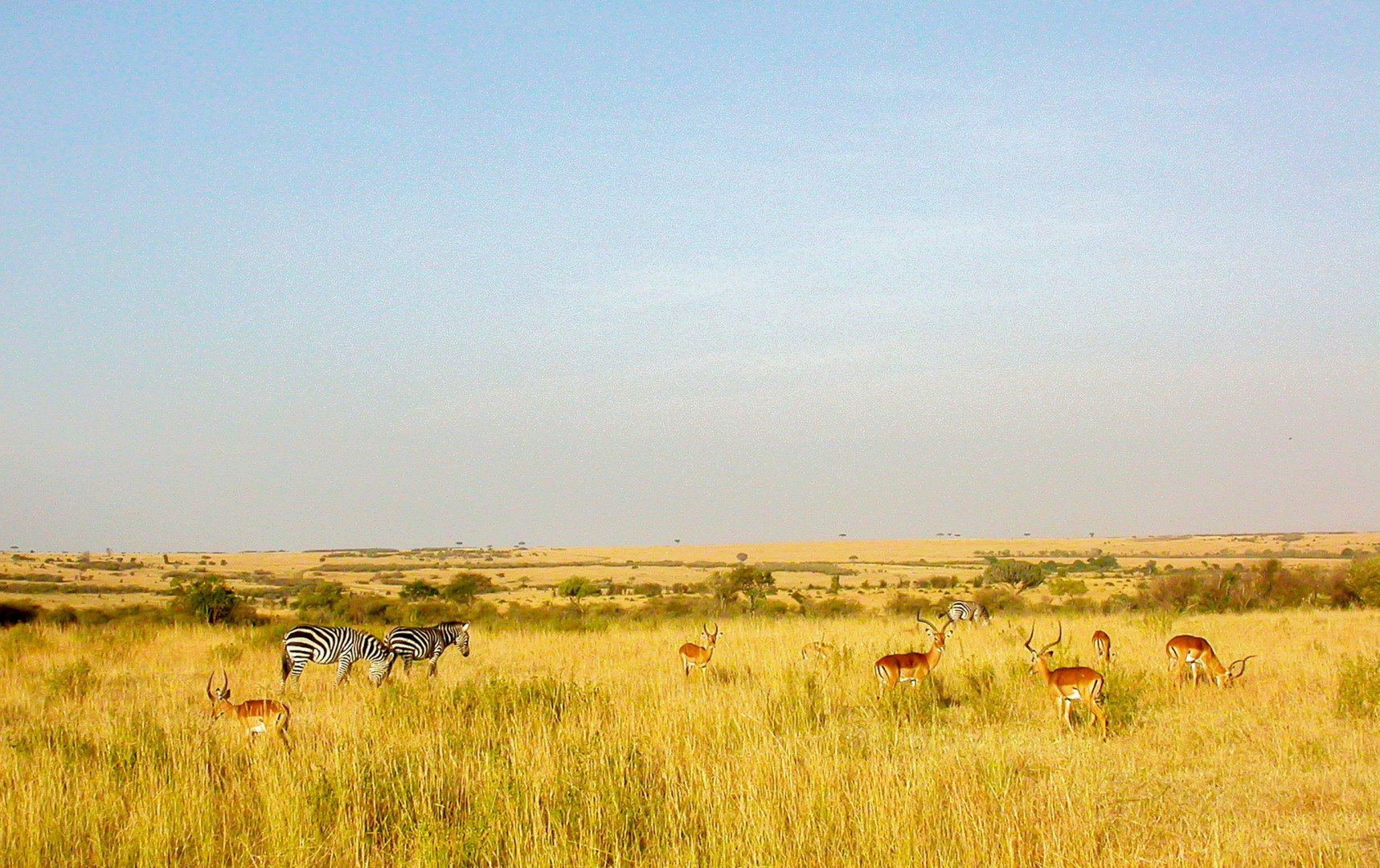
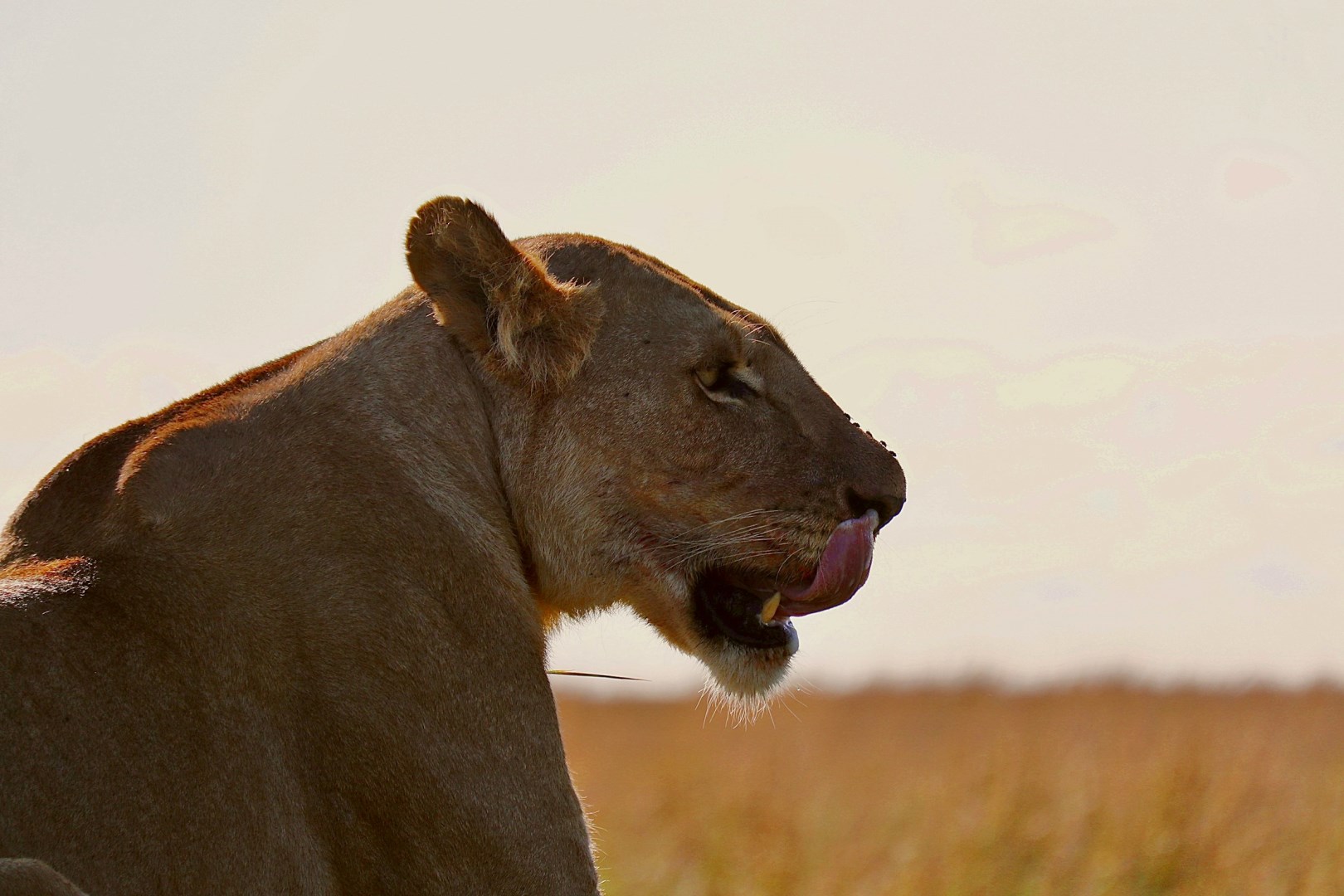
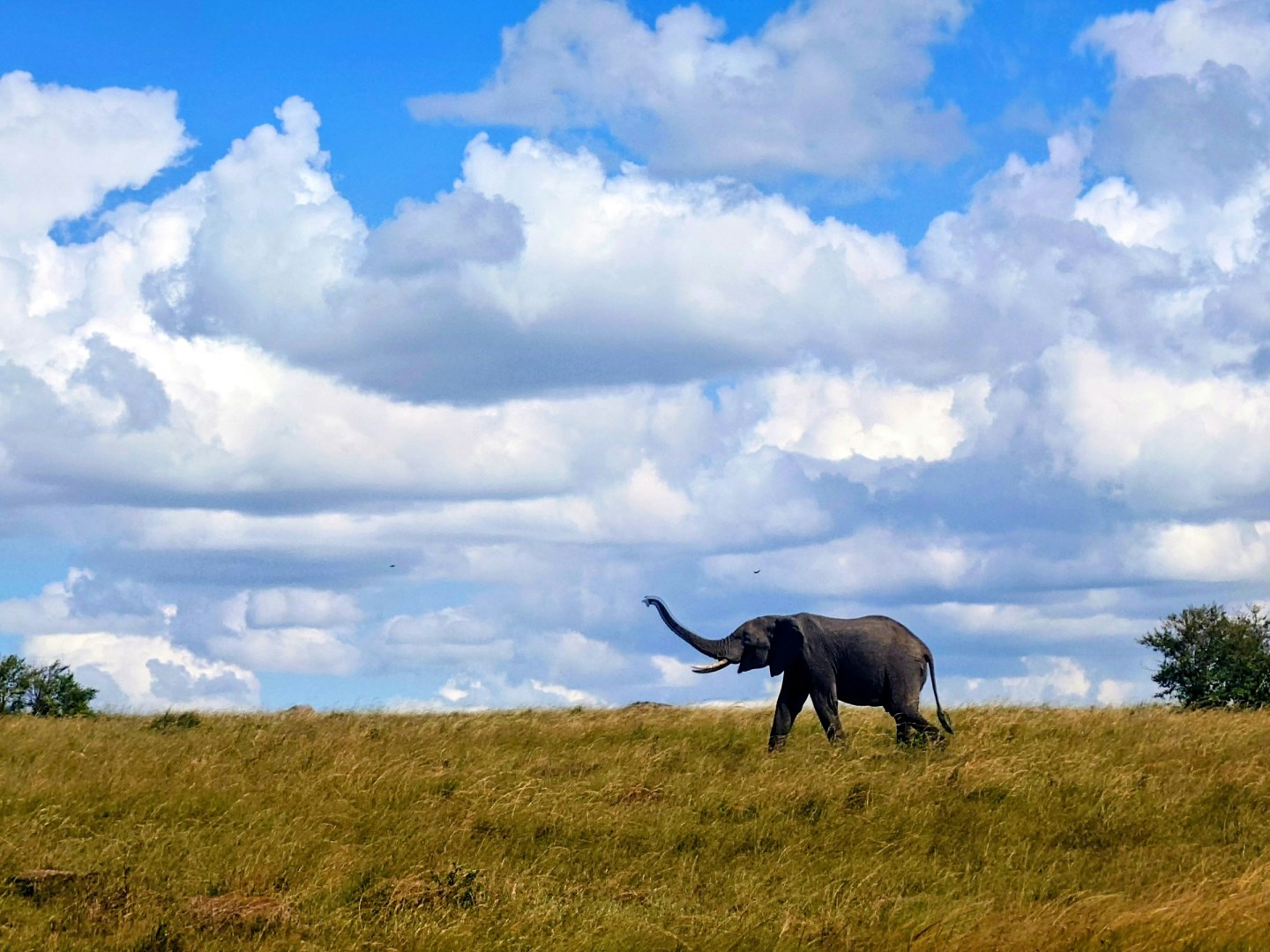
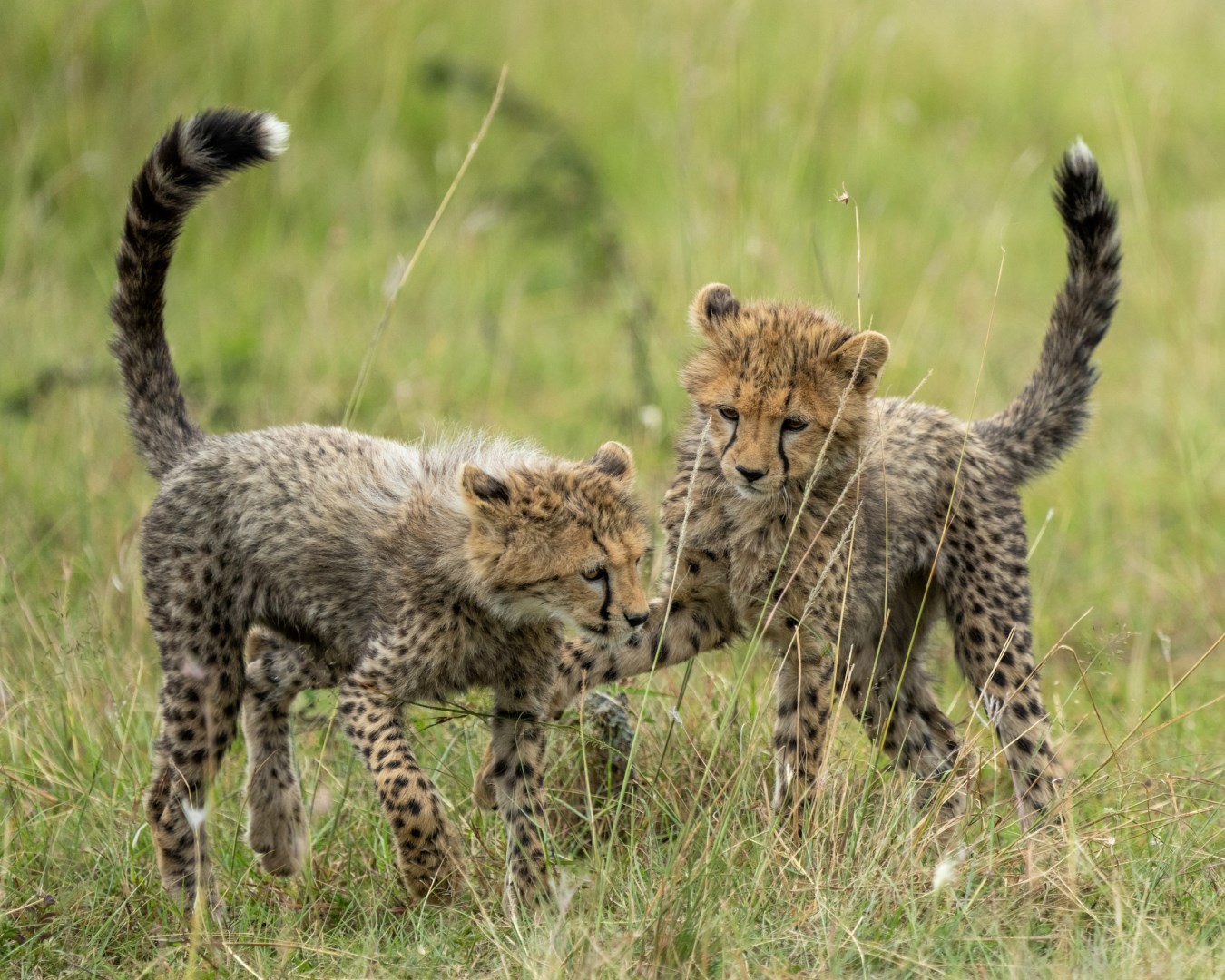
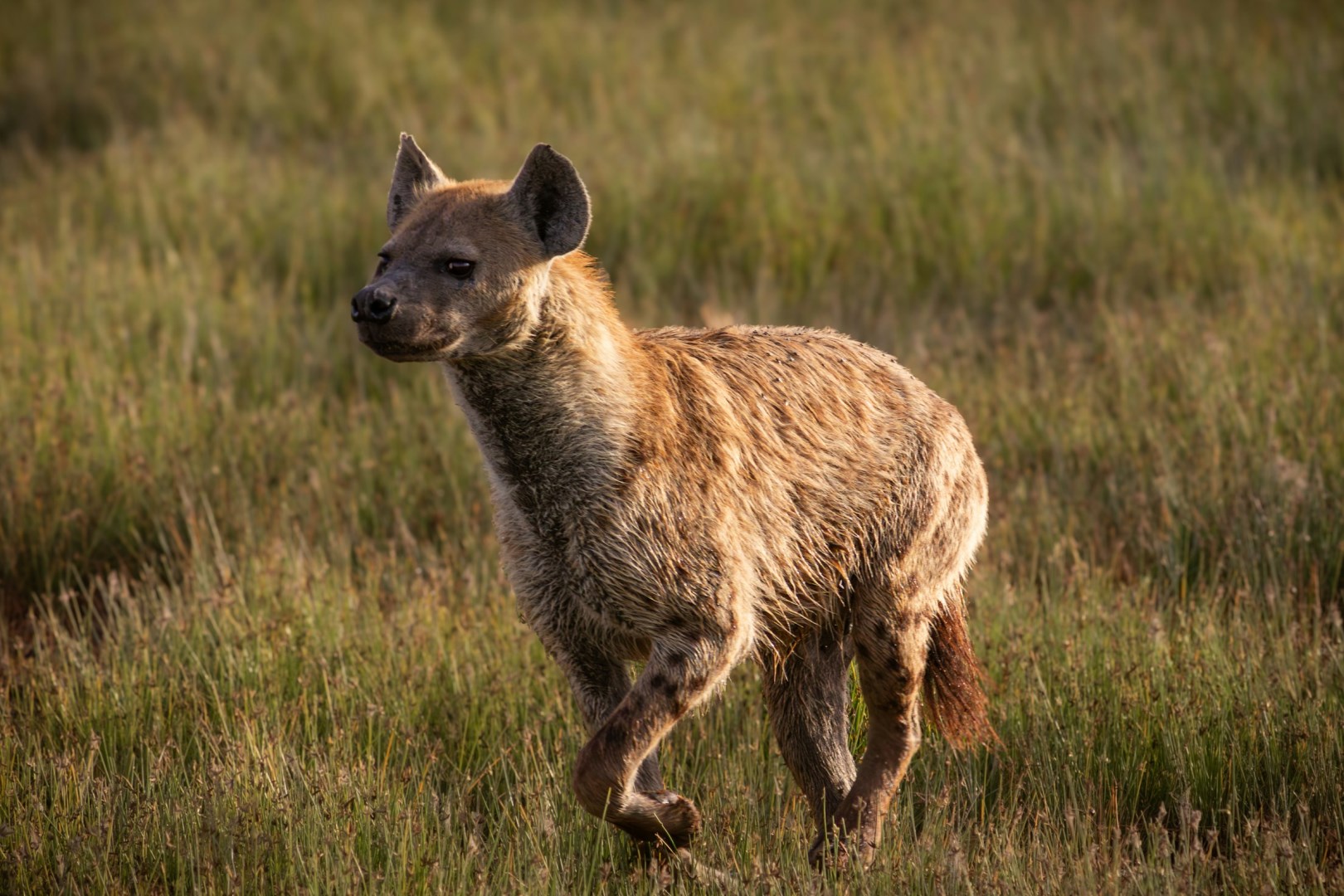
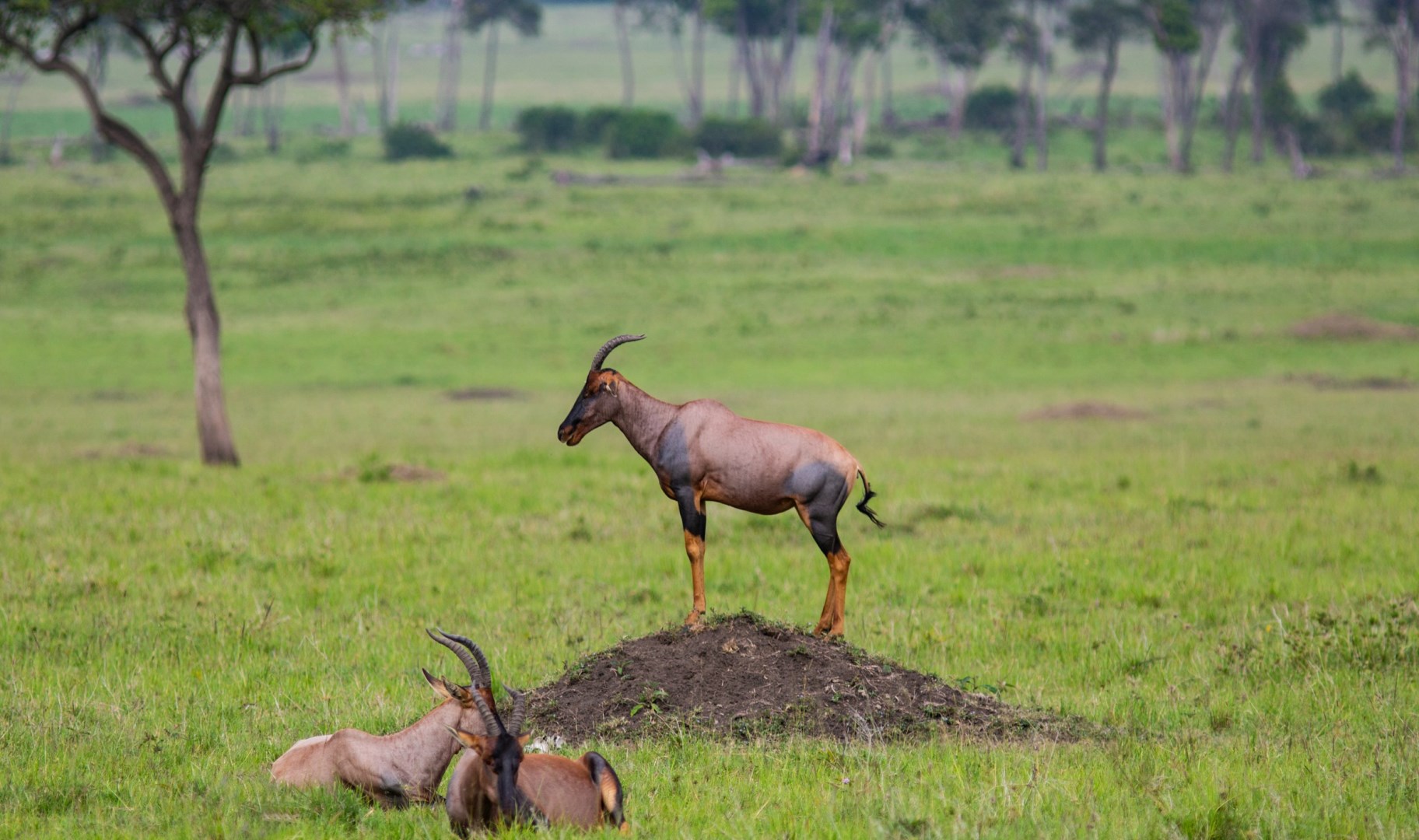
Masai Mara is a renowned wildlife region in southwestern Kenya, known for its broad grasslands, seasonal rivers, and high concentration of large mammals. The reserve forms part of the greater Mara-Serengeti ecosystem, allowing wildlife to move across a much larger landscape beyond the protected area itself. Lions, cheetahs, leopards, elephants, buffaloes, giraffes, and numerous antelope species are commonly associated with the region. The Mara River is one of its defining features, cutting through the grasslands and providing water for wildlife. The landscape also includes scattered acacia trees and wooded riverbanks.
The Maasai people have a deep connection with the Mara landscape, and their traditions remain an important part of the region’s cultural identity. Maasai communities are known for livestock keeping, distinctive clothing, beadwork, singing, and dances performed at social and ceremonial gatherings. Community conservancies surrounding the reserve have created additional areas where wildlife protection is linked with local landowners and livelihoods. This model has helped expand protected habitat beyond the national reserve while giving communities a greater role in tourism and conservation. The relationship between pastoral life, wildlife, and open rangelands is central to understanding the Mara.
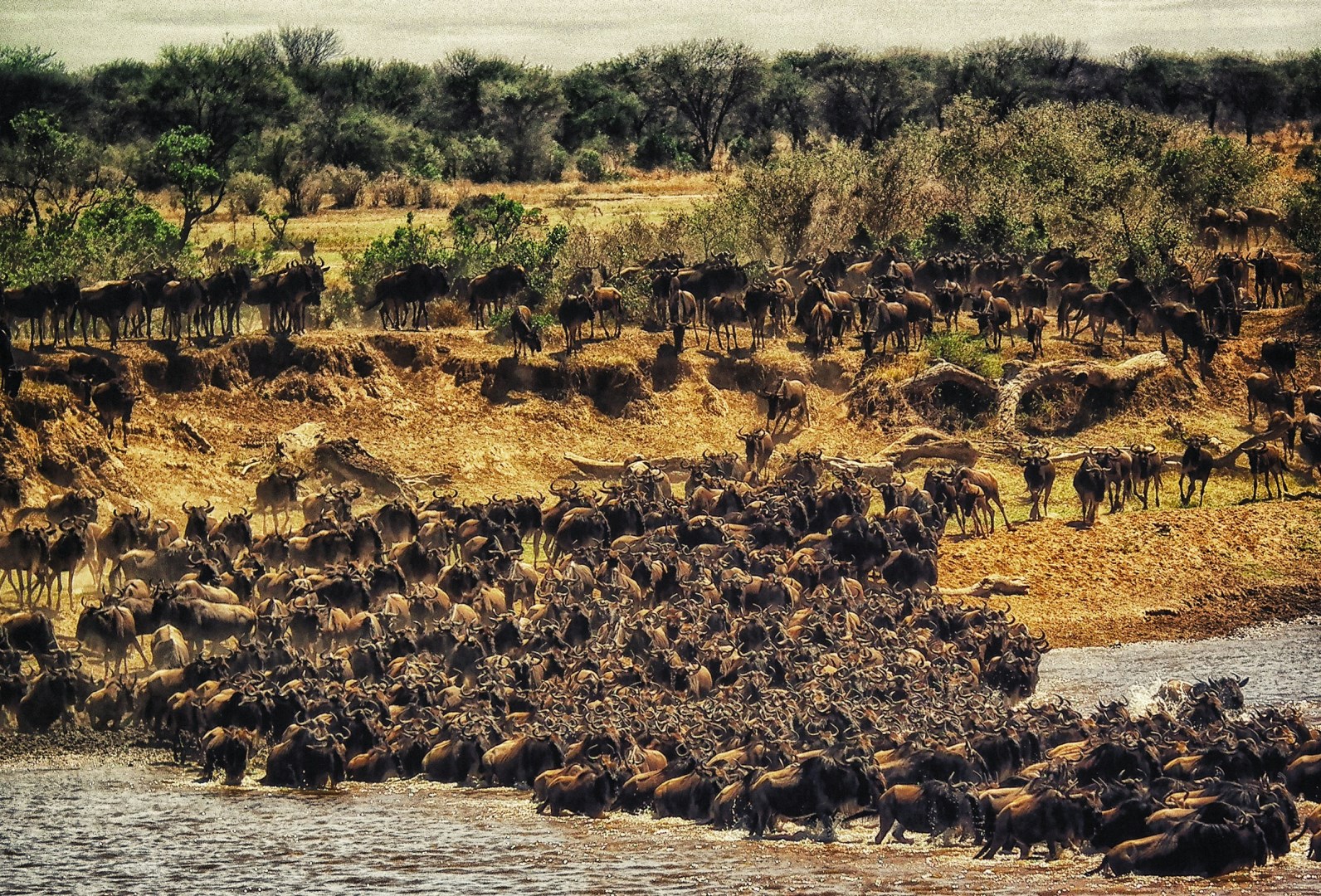
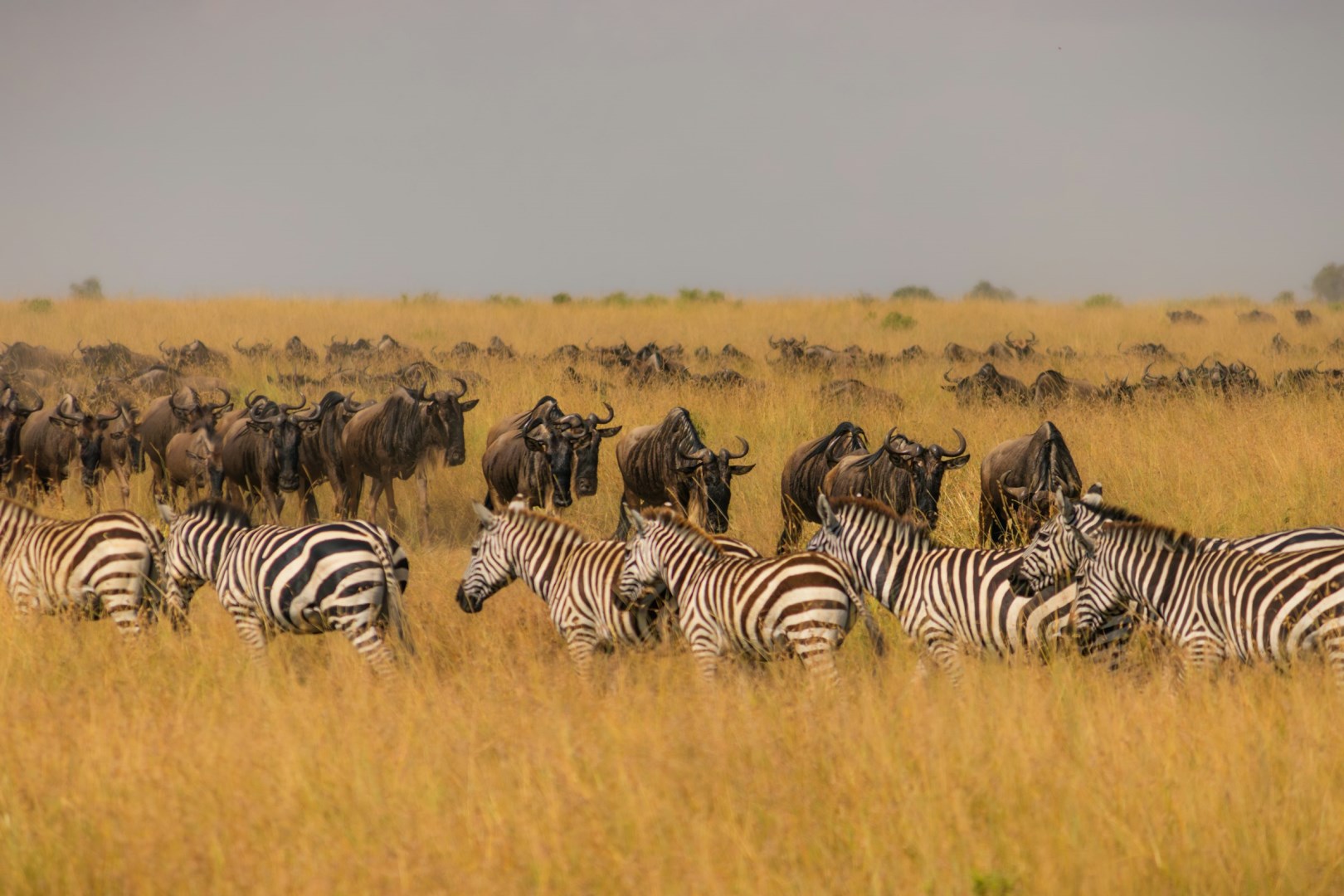
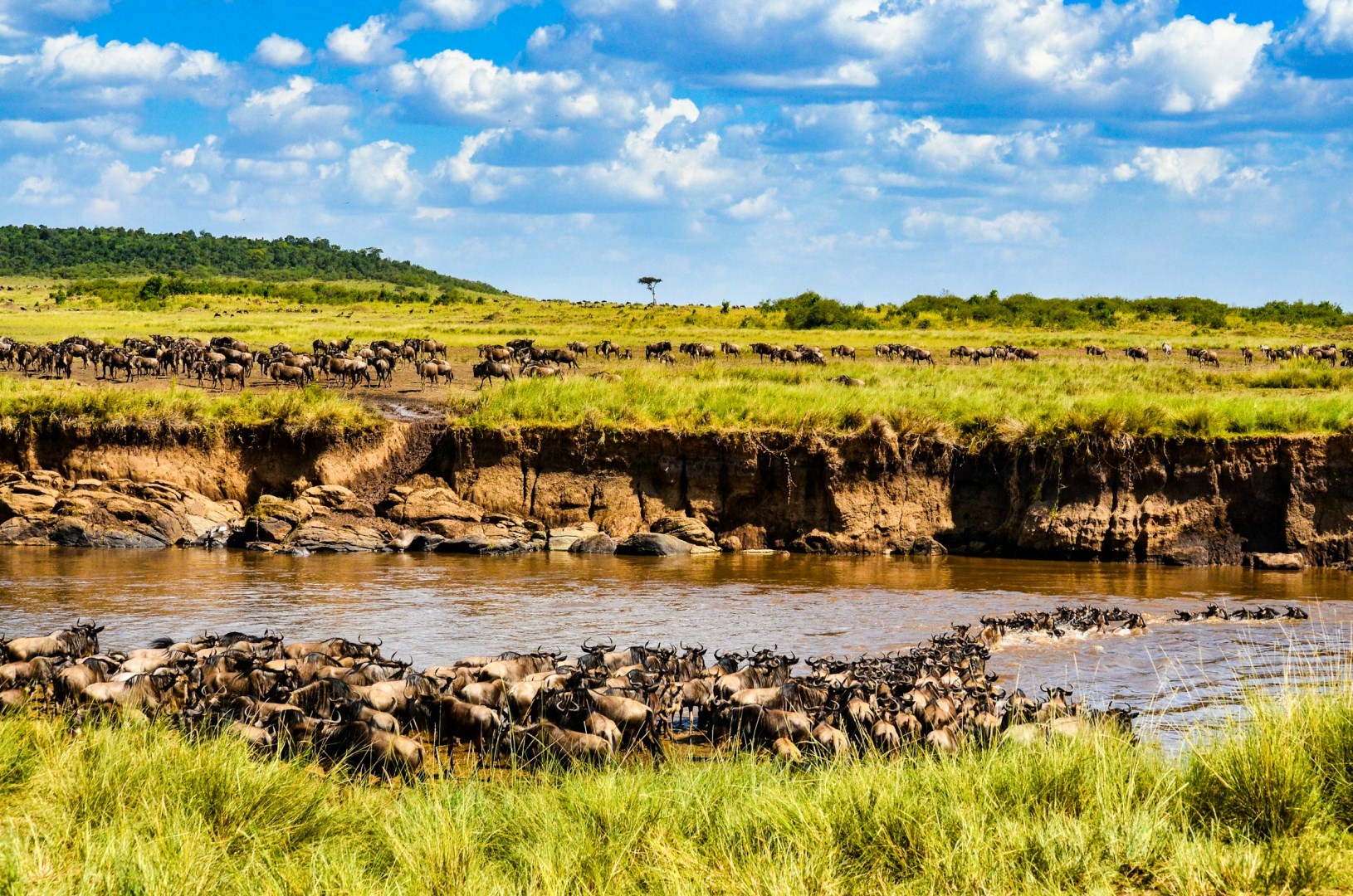
Wildlife viewing is the main attraction, with game drives providing opportunities to observe predators and large herbivores across the open plains. The Mara is also one of the key areas associated with the Great Migration, when huge numbers of wildebeest, zebras, and gazelles move through the wider Mara-Serengeti ecosystem in search of grazing and water. The Mara River is an important part of this movement, although the timing and location of animal crossings vary. Beyond the reserve, nearby conservancies offer quieter wildlife areas, guided walking experiences, and opportunities for closer exploration of the bush.
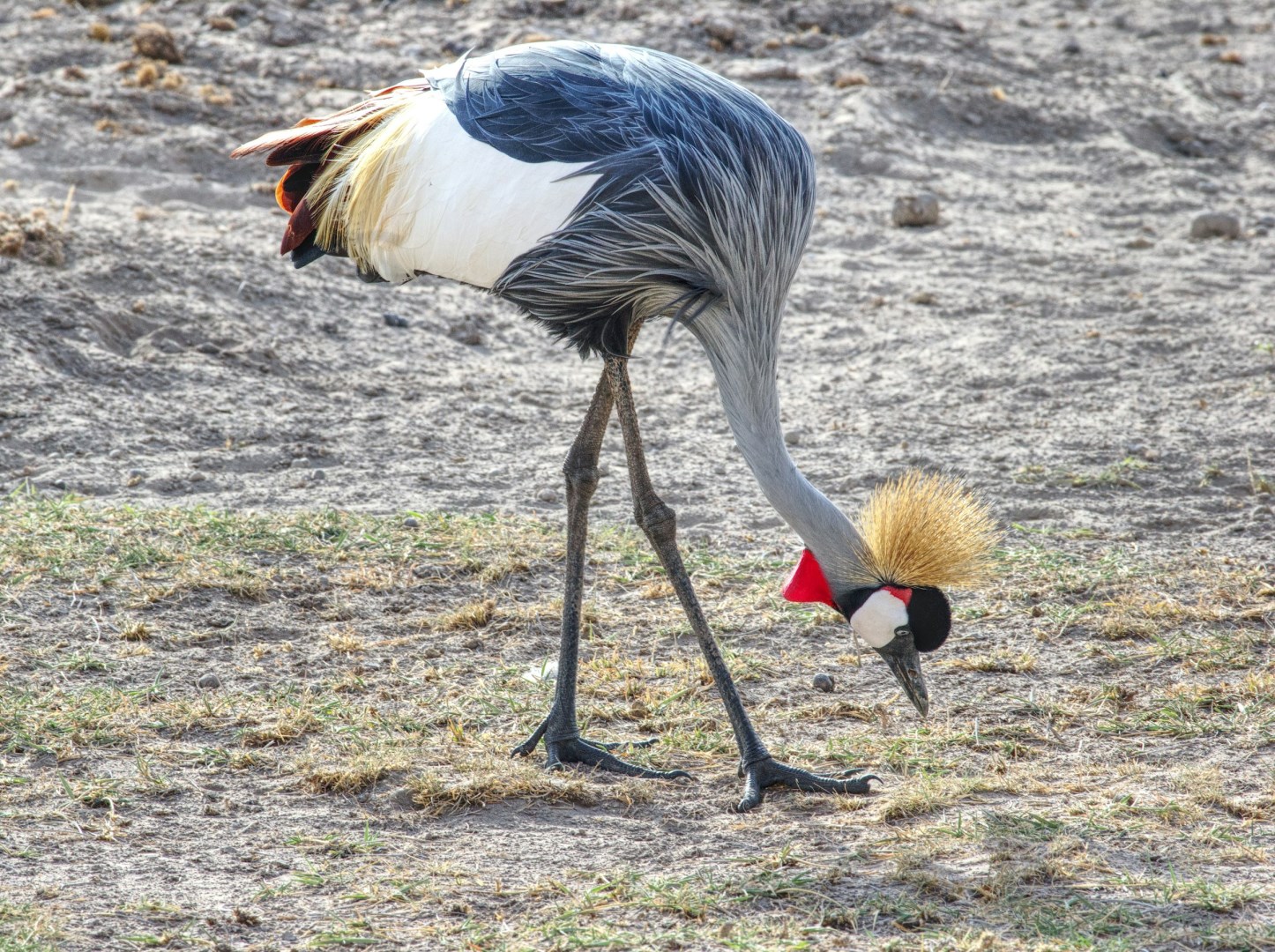
The Mara landscape supports an impressive variety of wildlife, including more than 450 recorded bird species. Its predators are particularly notable, with lions, cheetahs, and leopards occupying different parts of the ecosystem and often observed hunting or resting in the grasslands. The region is also home to species such as topi, impala, eland, warthog, and spotted hyena. Maasai-influenced cuisine and locally produced foods can be encountered in lodges and community settings, while traditional beadwork provides a tangible connection to local culture. Conservation programs increasingly focus on protecting wildlife corridors and maintaining the wider ecosystem outside the reserve.

