Global Gate Travel
Your Gateway to See the World
850-725-6456
Your Gateway to See the World
850-725-6456

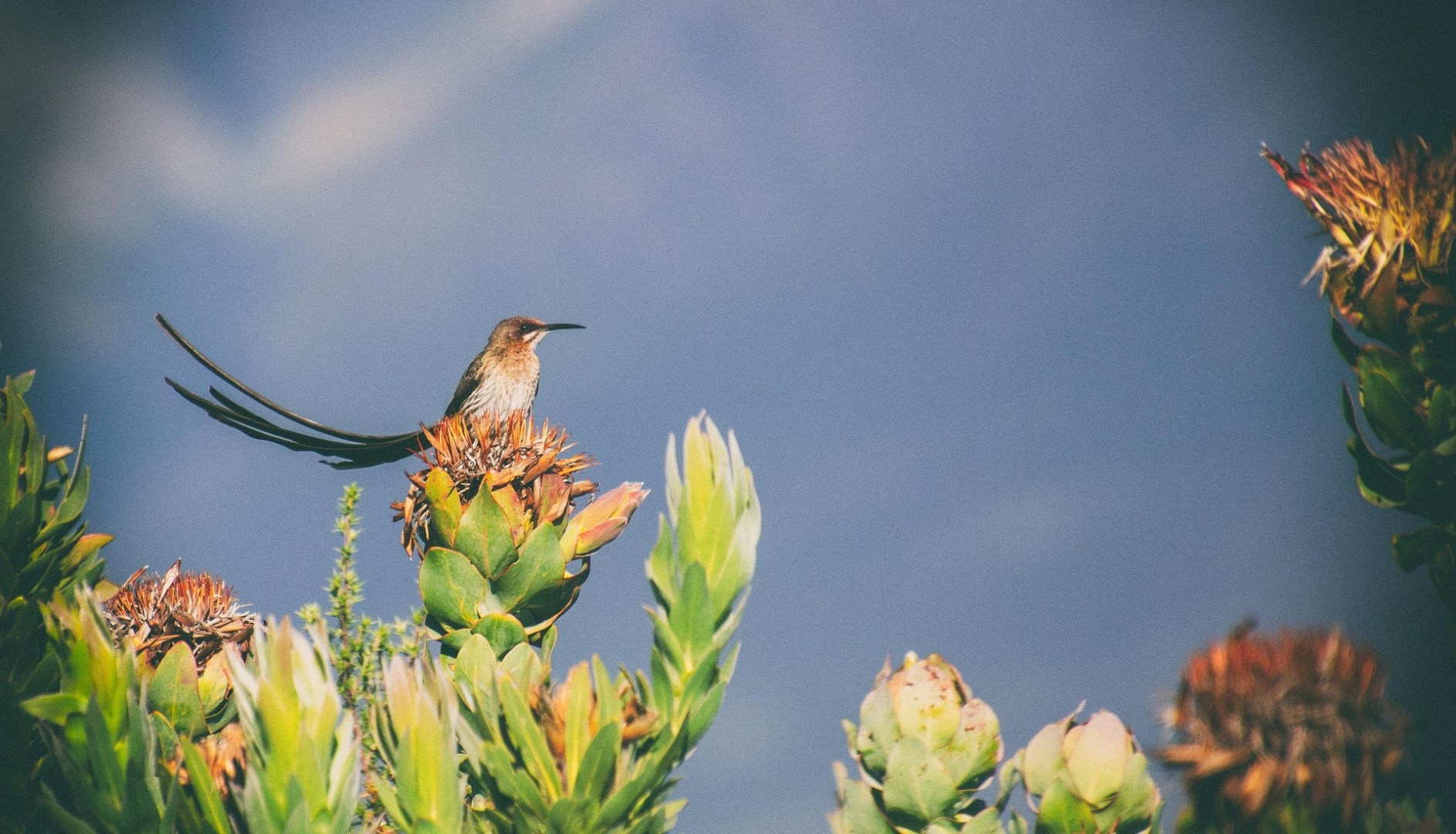
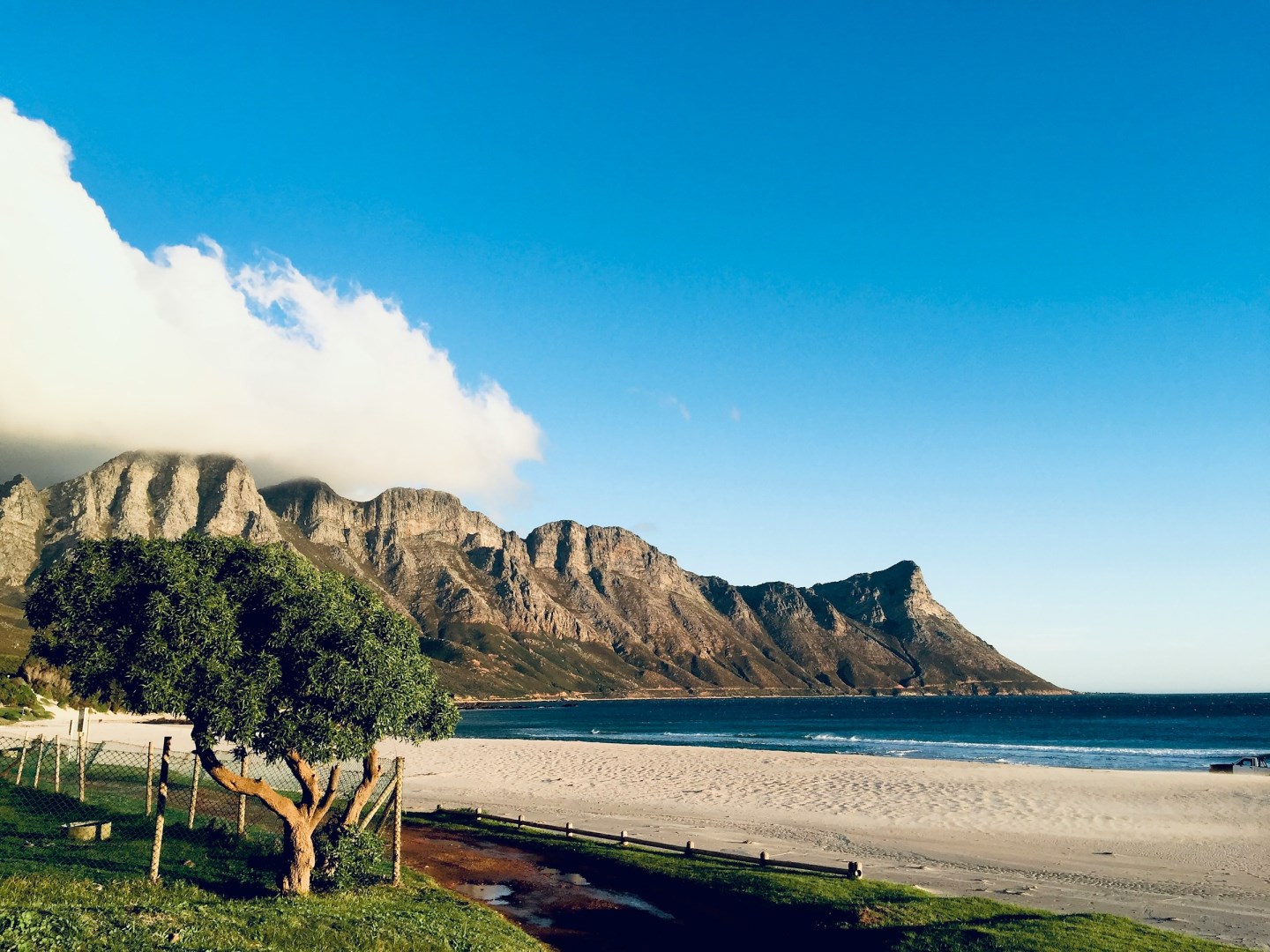
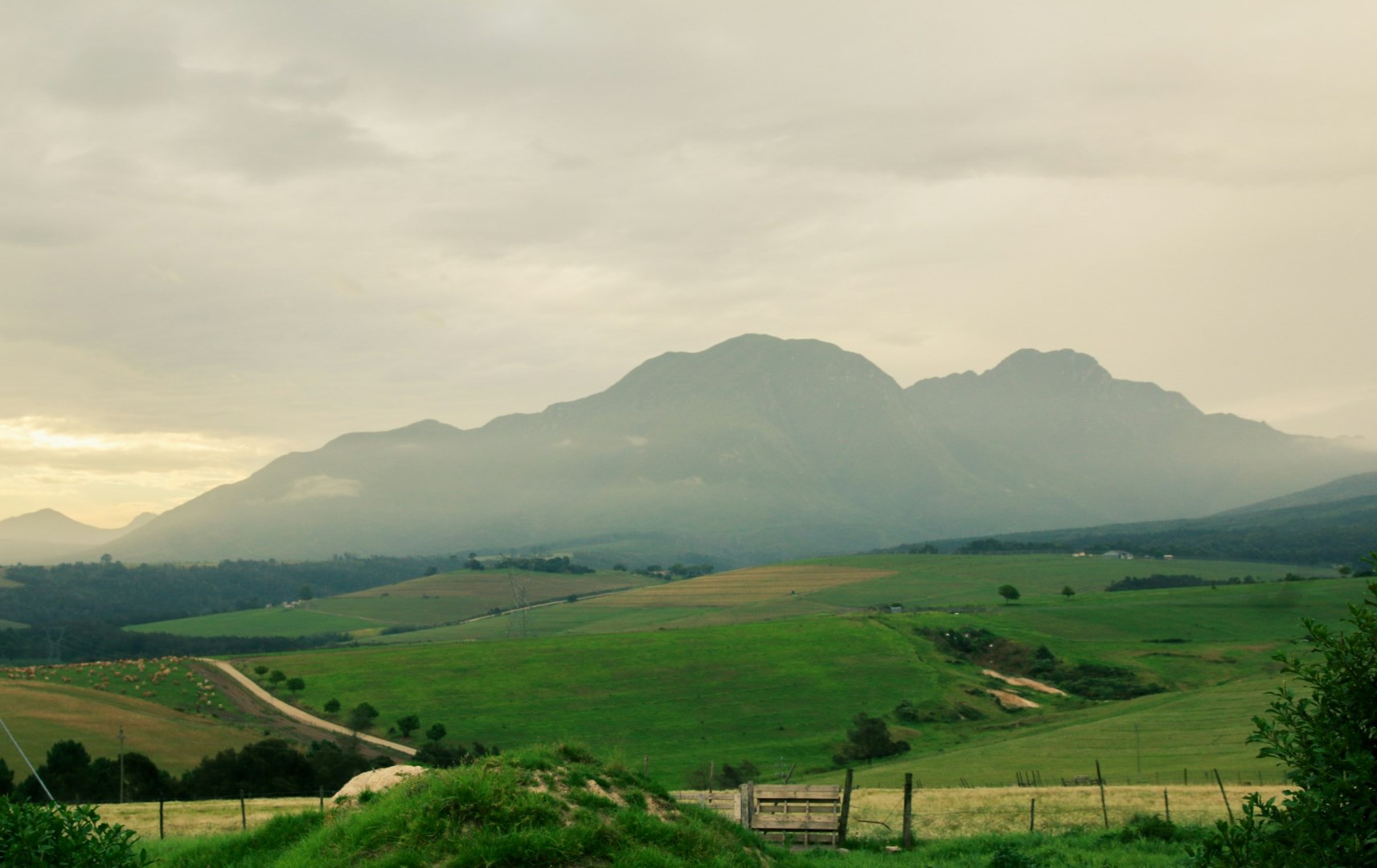
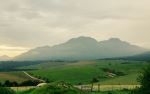
Western Cape is a province in southwestern South Africa, extending from the Atlantic coast across the Cape Fold Mountains, inland valleys, and dry Karoo landscapes. Cape Town is its provincial capital and largest city, while towns such as Stellenbosch, George, Hermanus, and Oudtshoorn represent different parts of the region. The province is known for its varied geography, which includes the Cape Peninsula, long coastlines, mountain ranges, fertile agricultural valleys, and semi-arid interior. Its landscape also contains part of the Cape Floristic Region, a globally important area known for its exceptional variety of native plant species.
Western Cape has a diverse cultural identity shaped by Khoisan heritage, Malay and Muslim communities, African traditions, European settlement, and generations of farming and fishing communities. Cape Malay cuisine, Afrikaans language and culture, and traditional rural practices remain important parts of local life. Historic places include Robben Island, the Cape Winelands, and settlements with preserved Cape Dutch architecture. The province also contains significant sites connected with the history of slavery, colonial expansion, apartheid, and South Africa’s democratic transition. Museums, heritage buildings, community traditions, and cultural festivals provide different ways to explore this complex regional history.
The province contains several major natural and cultural attractions. Table Mountain National Park extends across the Cape Peninsula, protecting mountains, coastline, forests, and fynbos, while the Garden Route includes forests, lagoons, beaches, and coastal cliffs farther east. The Cape Winelands around Stellenbosch, Franschhoek, and Paarl are known for vineyards and historic farm landscapes. Hermanus and the wider Overberg coast provide opportunities for land-based whale watching, while the Cederberg is noted for rugged sandstone formations and mountain scenery. Other protected areas include the West Coast National Park, Karoo National Park, and De Hoop Nature Reserve.
Food and agriculture are central to Western Cape’s regional character. The province produces wine, fruit, olives, wheat, dairy products, and other farm goods, while its coastal communities have strong fishing and seafood traditions. Cape Malay cooking is particularly associated with dishes such as bobotie, bredie, pickled fish, and spicy curries. The Karoo contributes lamb and mutton, while the Cape Winelands are known for locally produced wines, cheeses, and farm products. A distinctive ecological feature is the Cape Floristic Region, where thousands of plant species occur within a relatively small area, including many species found nowhere else.